

Tink
The brightest sprinkle on the cupcake of life

In November of 2010, I received a text message from my mom. It was my senior year of college, and I was sitting on the floor of my apartment bedroom between classes. My mom had been re-diagnosed with stage four breast cancer two-and-a-half years earlier.
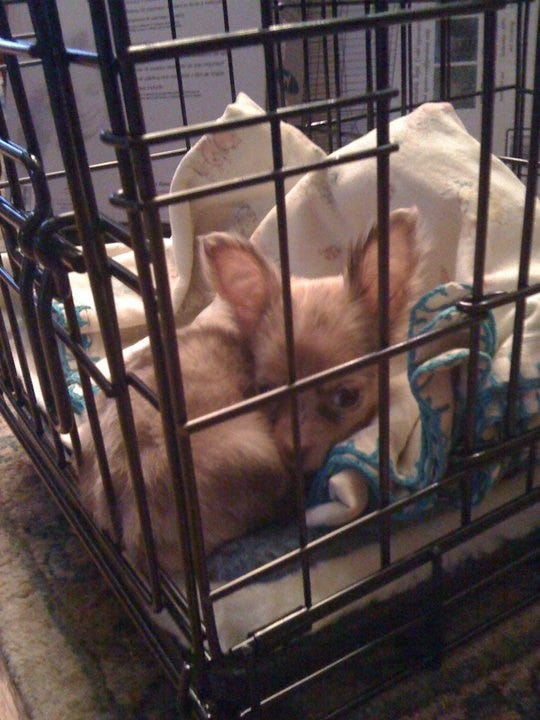
“Look what I got!” the text message read. And then this picture:
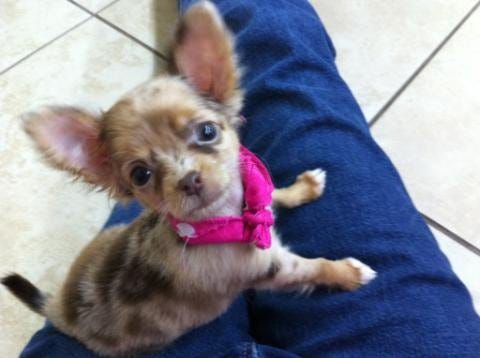
My mom was well into in chemotherapy treatment at this point, and she had been looking for someone to snuggle during her long days in bed, worn out and sick. Tink, as she would come to be known, and about whom I’ve written before on G/G, was the perfect creature for the job.
In the first months of Tink’s life, my mom carried her around in her bathrobe pocket, Tink being the size of a mouse. When my mom put a collar on Tink’s neck, she froze, refused to move, so my mom placed a ribbon around her neck instead, which Tink seemed to approve of.
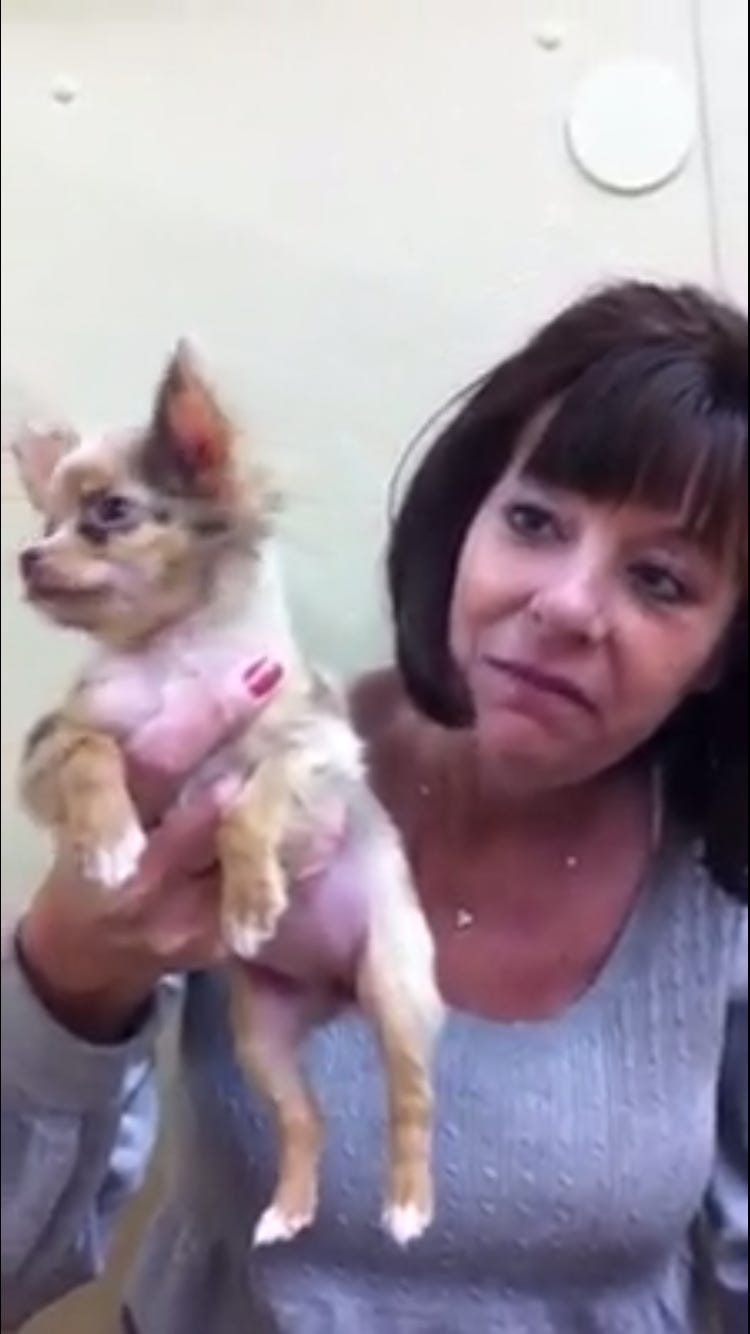
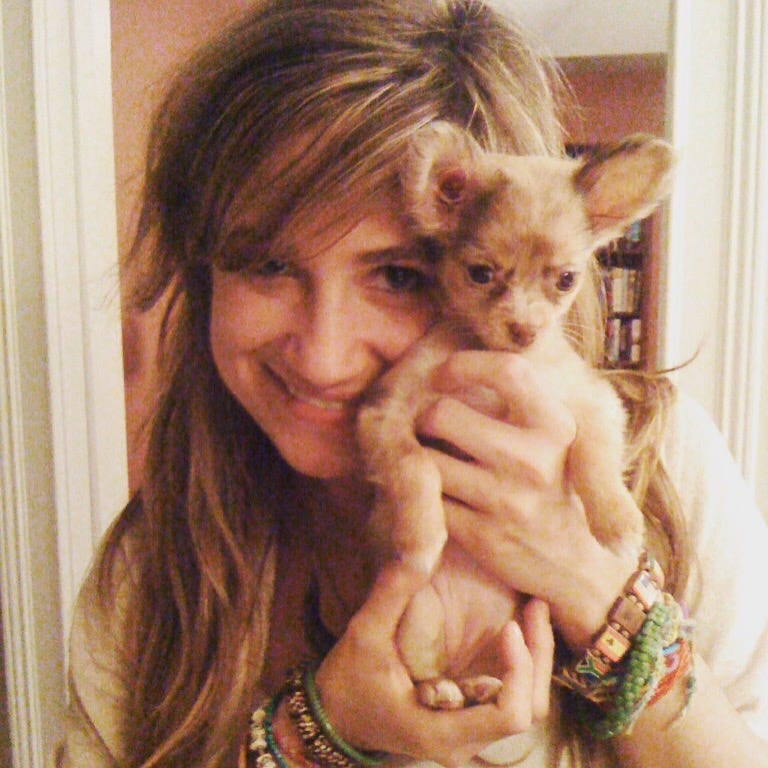
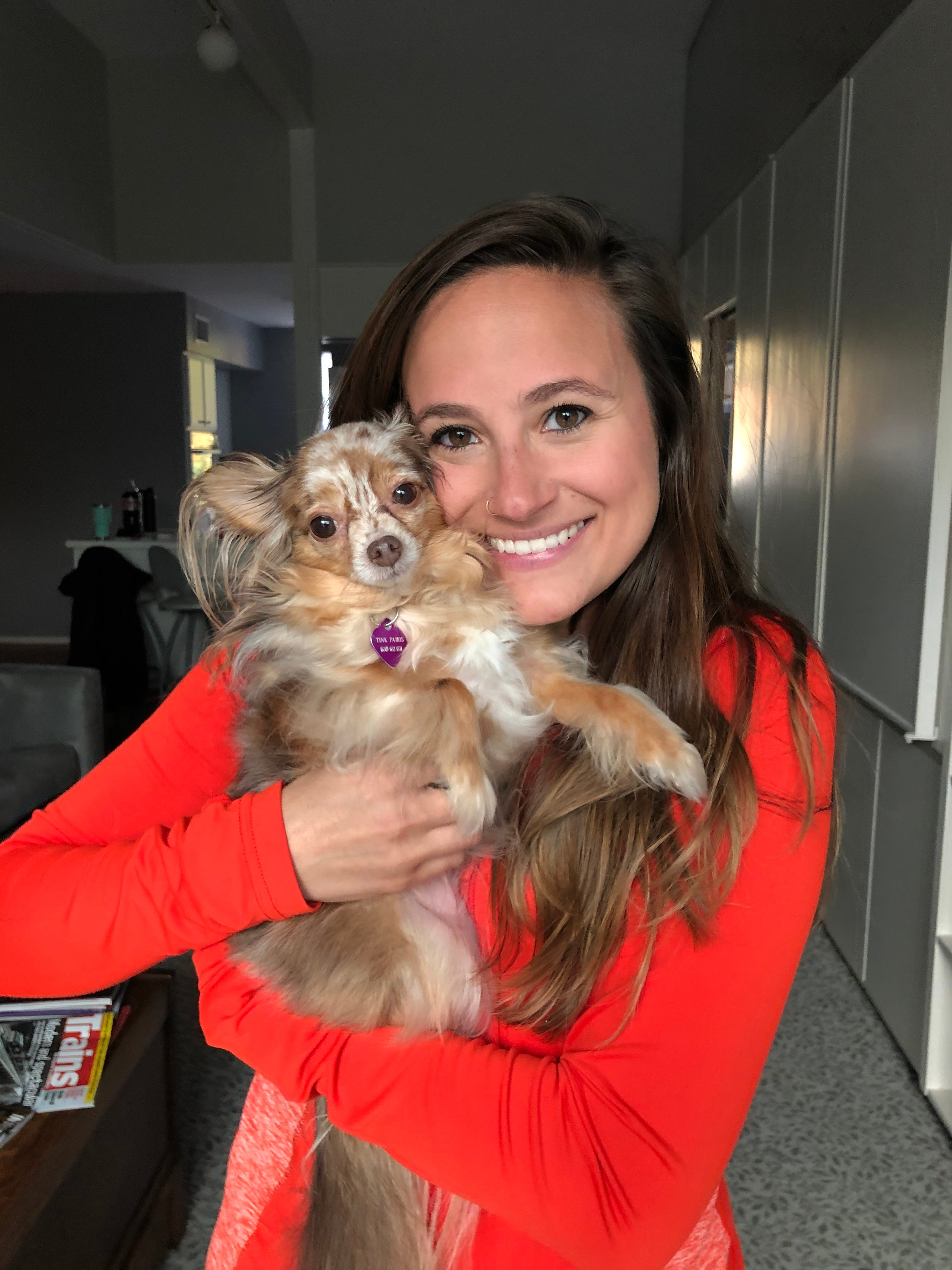
Tink was a five-pound long-haired red merle Chihuahua, and if the image you have in your head is of a yipping, aggressive, shaking little thing, well, Tink was not that. Tink was smart and intuitive and hilarious and strong-willed and confident. She could yip, sure, like any small dog, but she adored people and wanted nothing more than to crawl up into someone’s lap, anyone’s lap, and fall asleep.
We learned quickly that she hated rainstorms and cowered behind the toilet whenever one rolled in. She loved salt in any form, but mostly she loved human snot, so she’d torpedo her miniature tongue up your nostril until you could practically feel her tongue touching your brain. She loved to sing along with the piano, throw her head back and howl with the tune, in particular the “Feather Theme” from Forrest Gump.
Her main mode was “heat seeker,” searching out spots in the sun, finding the coziest place on the couch, daring to step outside only if the thermometer read a number north of sixty. My dad had the brilliant idea of tucking a heating pad under her small pink bed(s) so she could stay as warm as possible at all times.
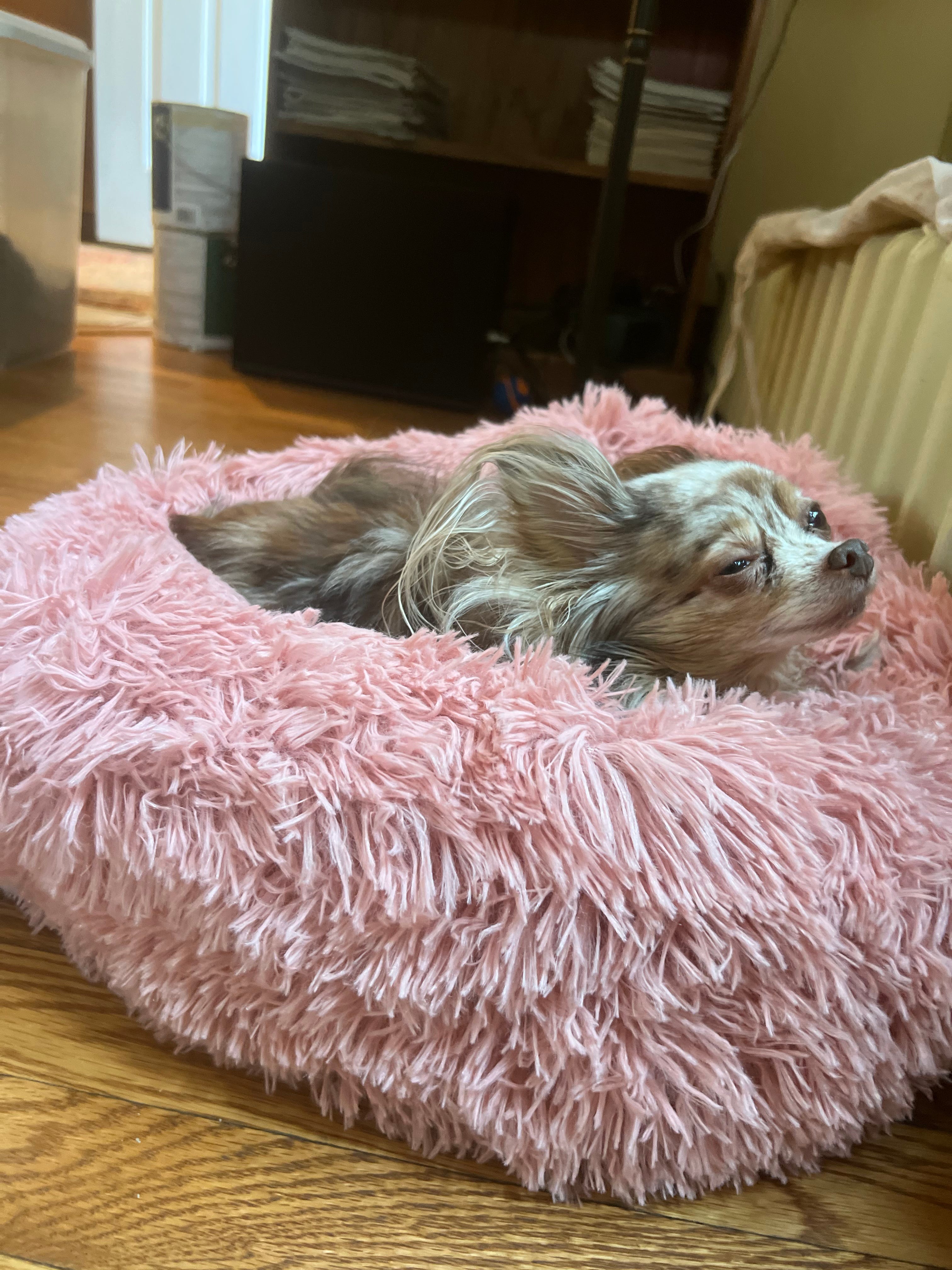
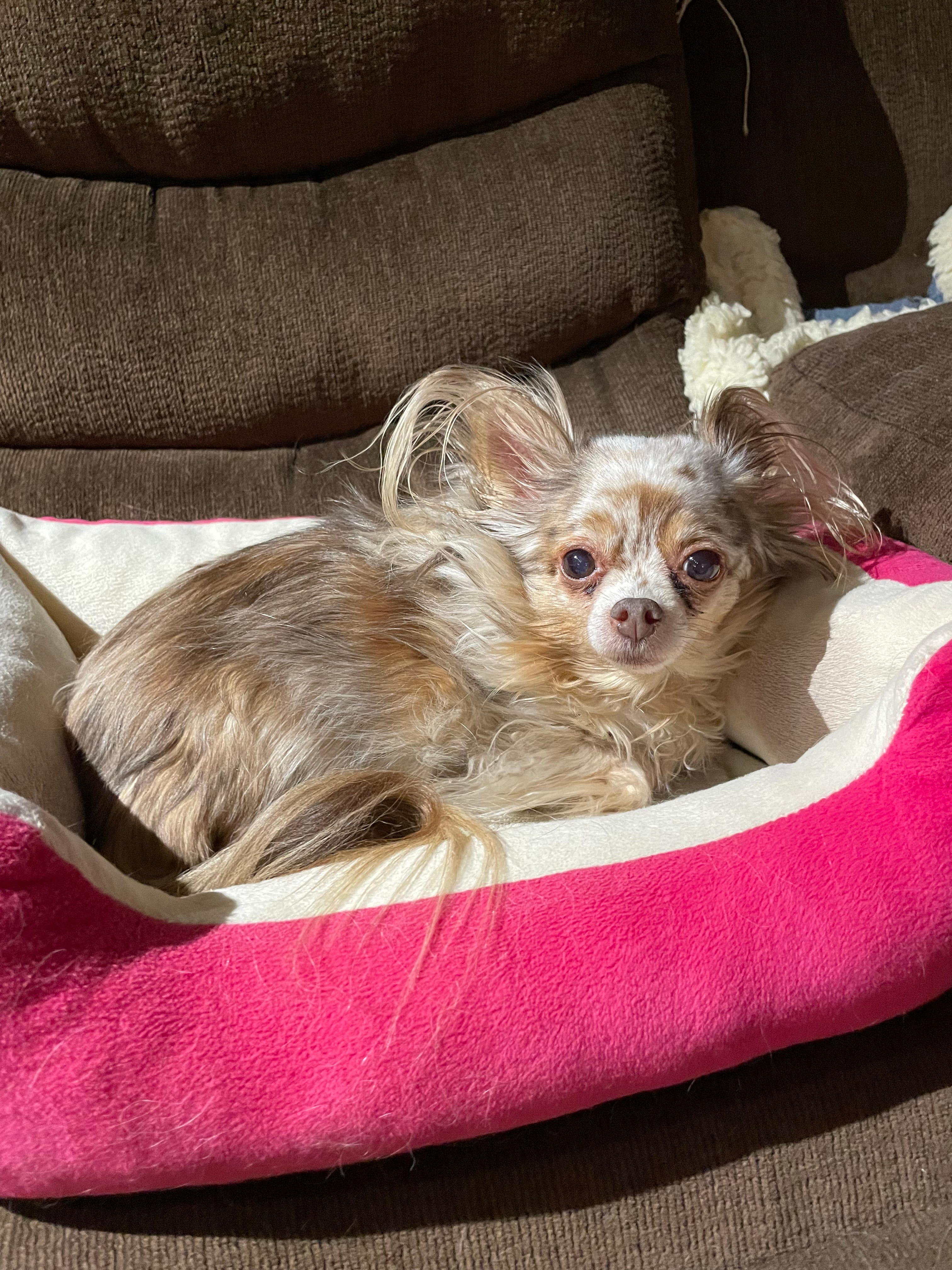
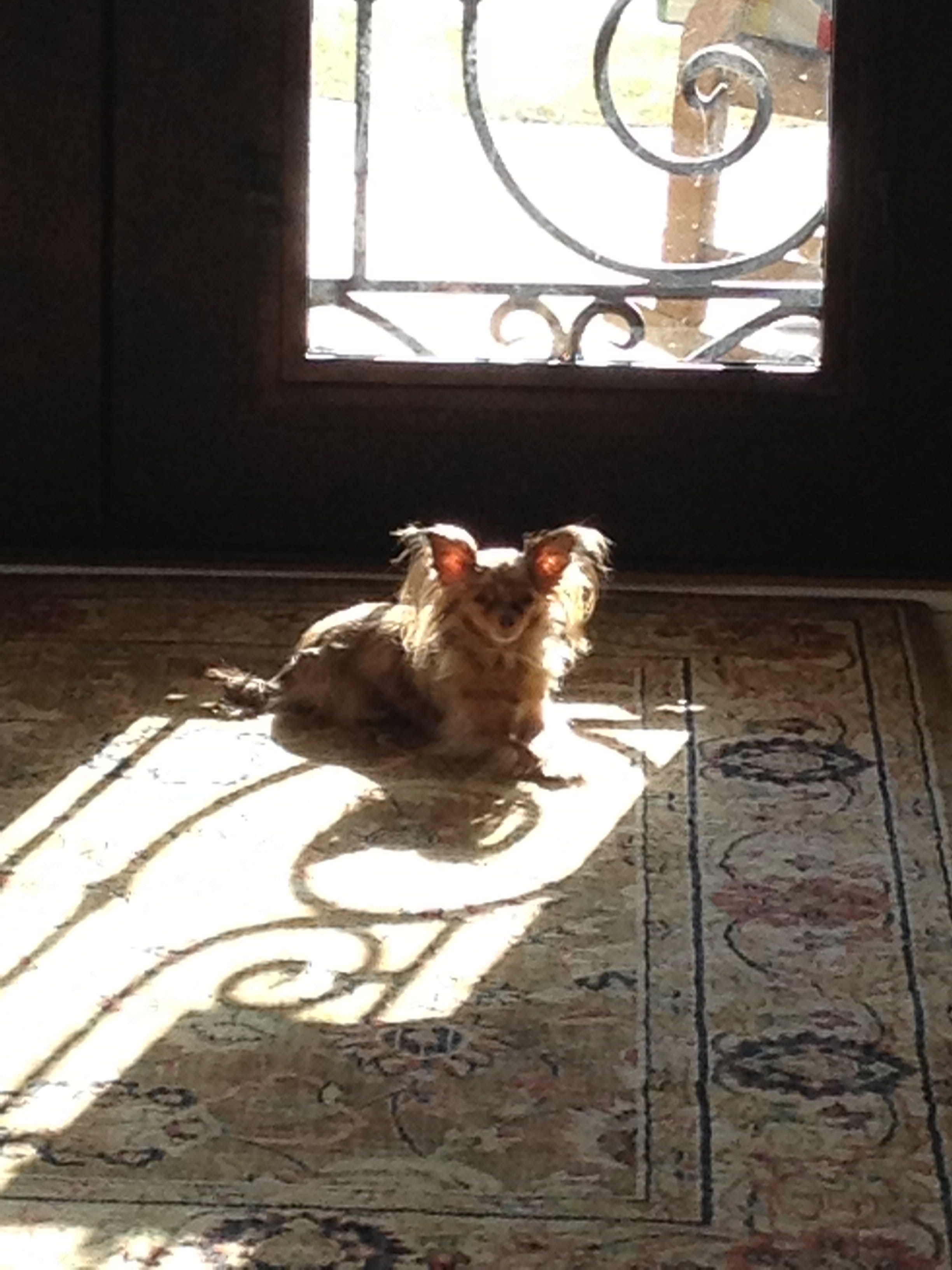
When my mom was sick, she fell asleep nose-to-nose with Tink every afternoon or my mom would watch Tink while she dreamed, the up-and-down of her small body, the flutter of her teeny nose, and suddenly, my mom was no longer the sick patient, but the caregiver, the companion, the keeper of this small being. Tink gave my mom a final opportunity to do what she did best—love with all her heart.
“What are you doing?” I asked my mom one afternoon in the mudroom. She was standing with Tink next to the door, which was open to the outside.
“Teaching her to stay before I go,” she said.
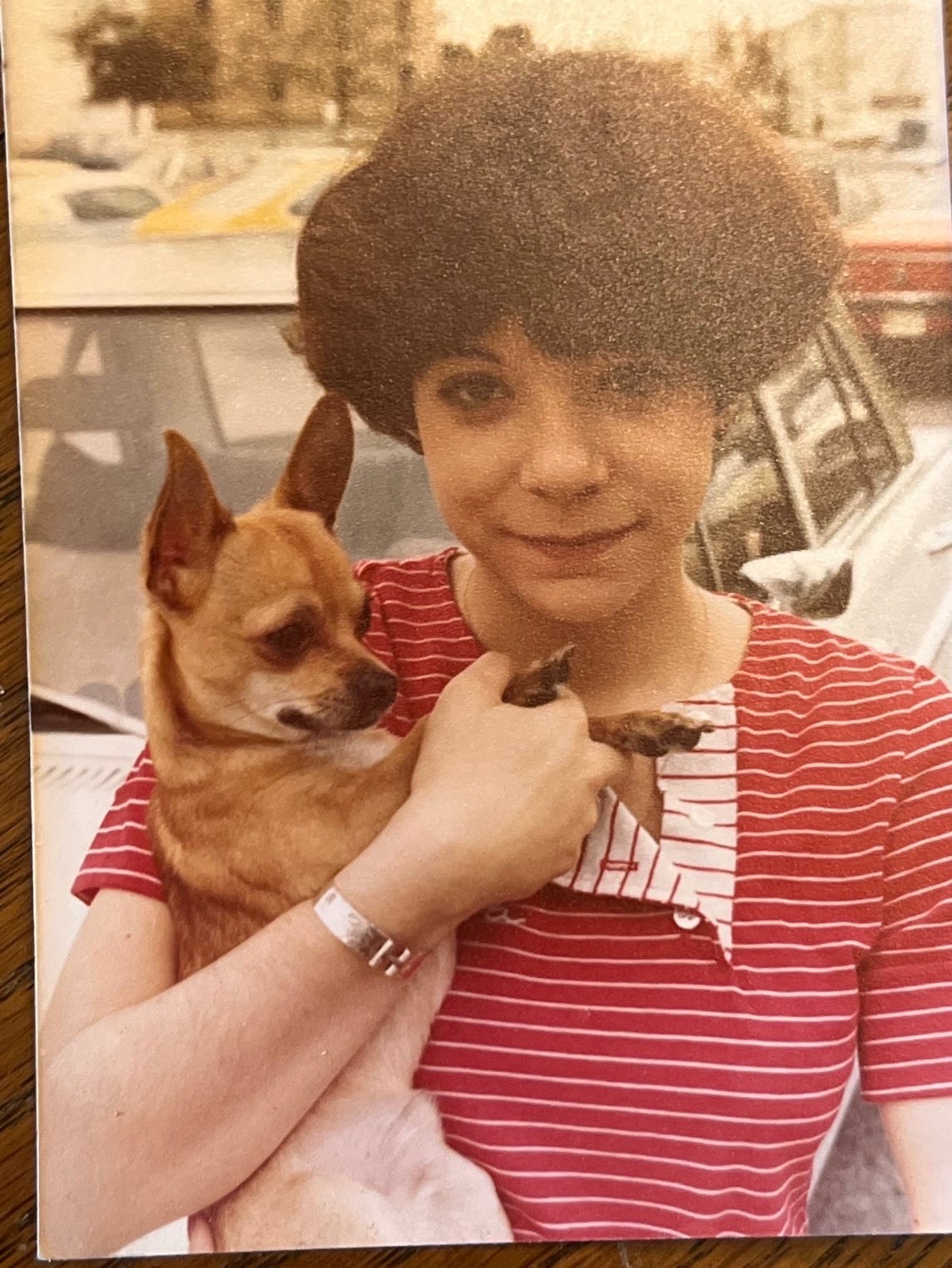
It wasn’t a surprise to any of us that my mom was coping with death by buying a dog. My mom was the person who taught me to love animals. She loved dogs more than anything. She had worked as a dog groomer during college. She’d chipped a tooth one time baring her teeth in cute aggression at a dog. Her first Chihuahua, Rocky, had laid with my mom throughout bedrest when she was pregnant with me. Another Chihuahua when she was confined to bed again seemed like the exact right idea.
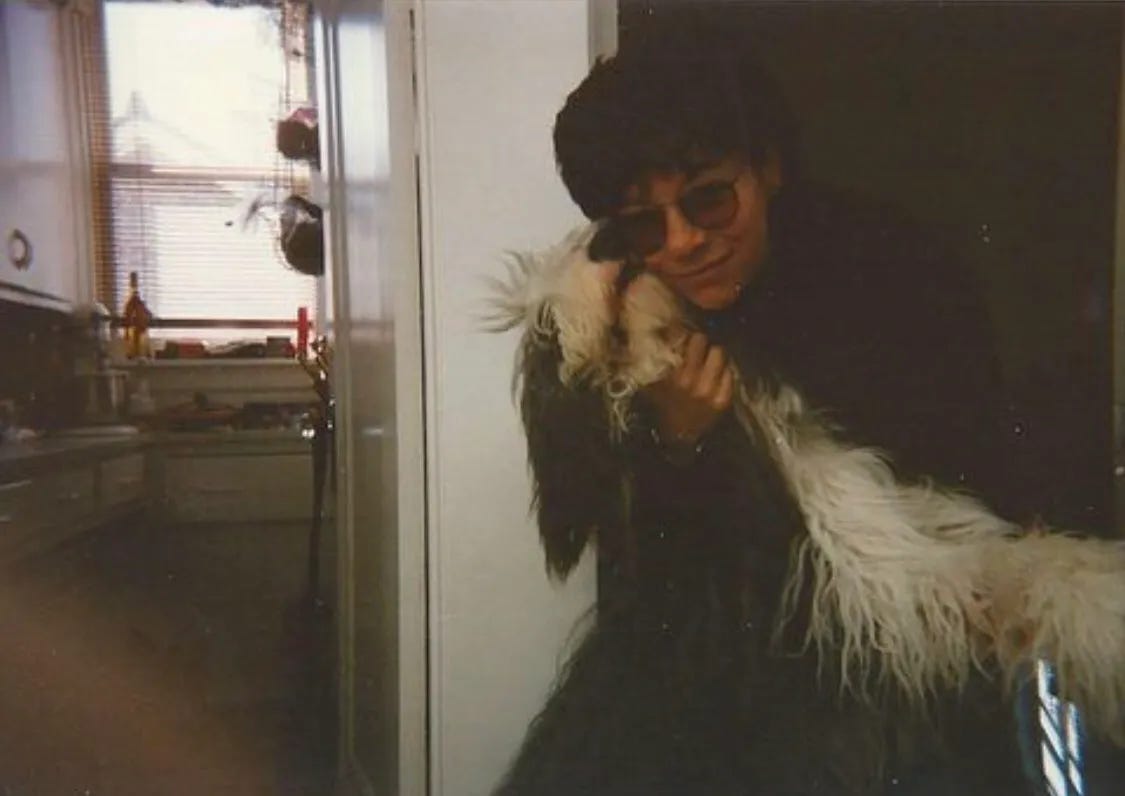
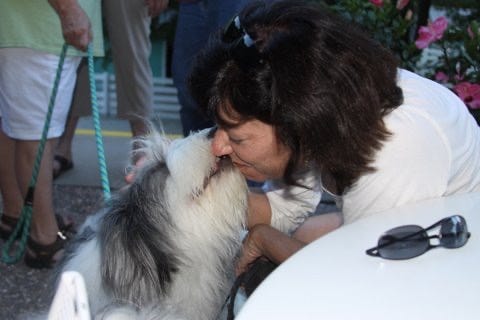
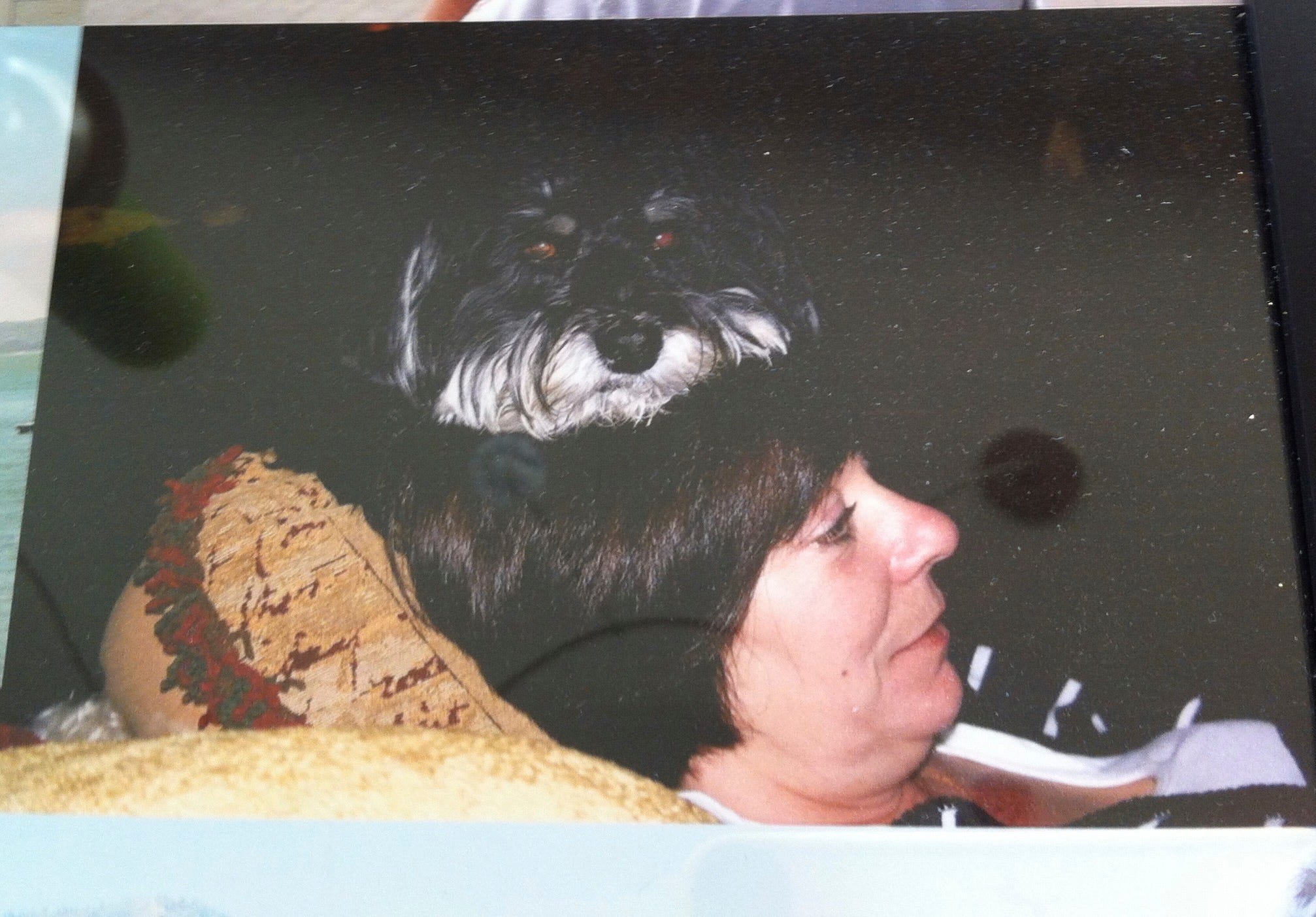
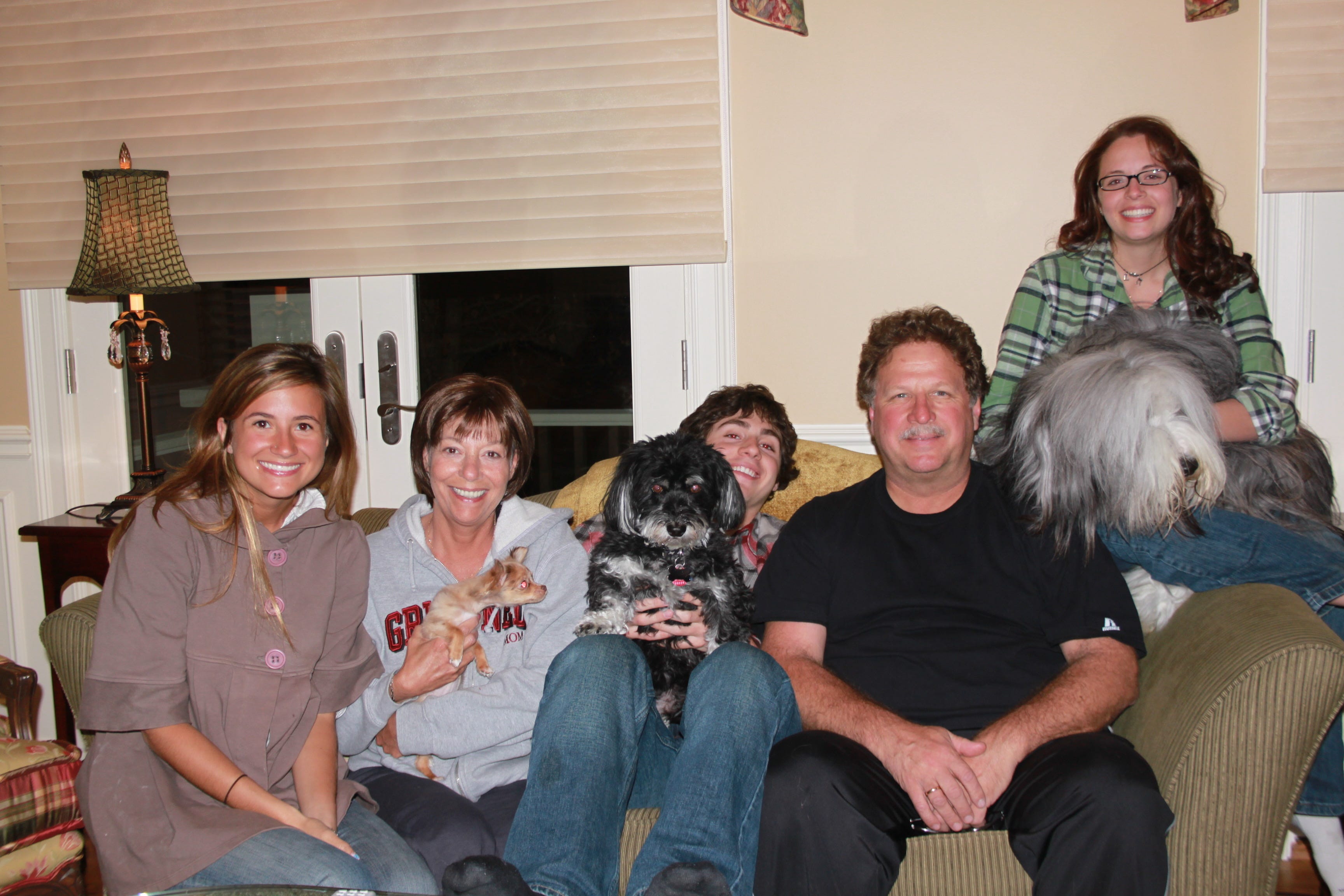
*
I wrote about my mom and Tink in an essay, “If Only We Could Love So Loudly,” that appeared in 2018 in The Bark, a dog-focused magazine that unfortunately stopped publishing in 2021.
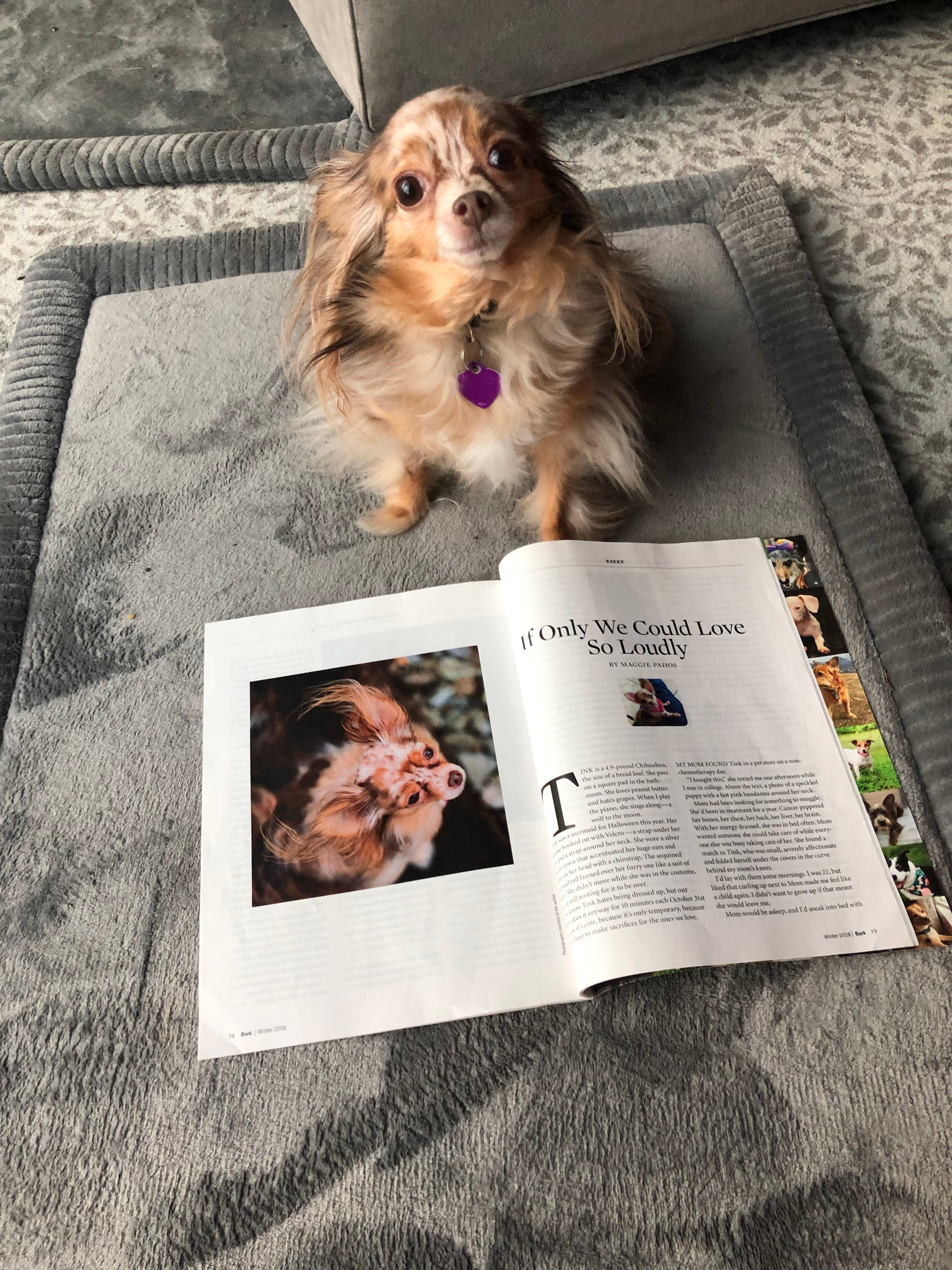
In the essay I wrote, “During my college graduation, a month before she died, Mom was in the hospital with internal bleeding. My dad and sister snuck Tink into her hospital room. There’s a picture of Mom in her patient gown, sitting in bed, an IV stuck into one arm, tubes reaching to the photo’s frame. Tink sits on my mom’s lap. They both look at the camera. Tink’s ears are perked. Mom’s smiling.
I think we love animals because we see in them what we wish ourselves to be. Tink made the rest of my mom’s life less somber. She closed some of the gap created by the confusion of having to leave too early.
And Tink got what she wanted in return: constant attention, someone to stay in bed with all day, a stationary nose.
To me, they were superheroes, a fearless duo—a too-small dog and a precocious, dying woman. Four pounds of sass and a life’s worth of fight. Obsessed and fulfilled and at home with each other.
They were what love is meant to be.”
*
On June 29, 2011, seven months after I’d received that first picture of Tink from my mom, I drove the forty-five minutes from my boyfriend’s house north of Chicago where I’d spent the night, and my dad met me in the mudroom of our family’s home.
“She had a bad night,” was all he said. It was Wednesday, and my mom had started on morphine that Saturday. “The beginning of the end,” she’d said. She’d resisted the morphine for so long until she couldn’t. She didn’t want it to make her loopy, to take her away from us any sooner.
When I made my way upstairs to my parents’ room, I could see my mom was no longer herself. She was moving unnaturally, too hot then too cold, making no sense. She was in what I would later learn is called “terminal agitation,” which can happen in the hours or days before death, when the organs begin to fail.
My dad called the hospice nurse, who administered calming drugs to my mom.
“I don’t think there’s time to bring in a hospital bed,” she said. “Call me when it’s time, and I’ll come back.”
From “If Only We Could Love So Loudly”:
“By the time [my mom] calmed down, her feet were on her pillow and her head was at the foot of the bed. She was backwards, and it made sense. Everything was backwards. She wasn’t supposed to be leaving. We weren’t supposed to be watching her go.
We were all there. My dad, my sister, my brother, and me. My mom’s mom and stepfather. My mom’s sister and my cousin.
We sat with my mom on her bed. I stroked her soft hair, holding her hand. My dad held her other hand.
Over the span of an hour, her breathing slowed. She was too gone to talk, to move, to blink. We talked to her instead.
Tink climbed onto the bed, up the small set of stairs my mom had leaned against the mattress so Tink could get up on her own.
She licked my mom’s face. Her tongue moved up and down her cheeks with fervor. She kissed her eyelids. She kissed her forehead. She kissed her nose. She moved to the other side of my mom’s face.
She kissed everything all over again.
*
A few hours after my mom died, after they had taken her body away, I was downstairs, in the kitchen, maybe. I don’t remember what I was doing. The world seemed to be moving too quickly and too slowly at once. But I heard Tink from far off—her small, high-pitched voice. It was incessant—was she hurt? I ran up the stairs.
I found her in my parents’ room. She was on their bed in the exact spot my mom had just been lying. The bed was still warm from her.
Tink wasn’t in trouble, she was crying.
She threw her head back, but it wasn’t a song. Her body was fully engaged. She wailed in long, sharp yelps.
She was doing what we all wanted to be doing. Howling for everyone to hear, howling for the world to have weight again.”
*
Two days later, on a hot, July afternoon, we brought Tink, in her black wheeled backpack, into the synagogue for the funeral service. I stood on the bima barefoot to deliver a eulogy, the same place I’d stood nine years earlier for my bat mitzvah. Then, my mom had stood next to me, her hand on the small of my back. Now, in a wooden box at my feet.
After the service, Tink stood in the cemetery with us, panting, the grass as tall as she was, her presence as necessary as any of the four humans’ still left in the immediate Pahos clan. Caregiver, companion, light.
*
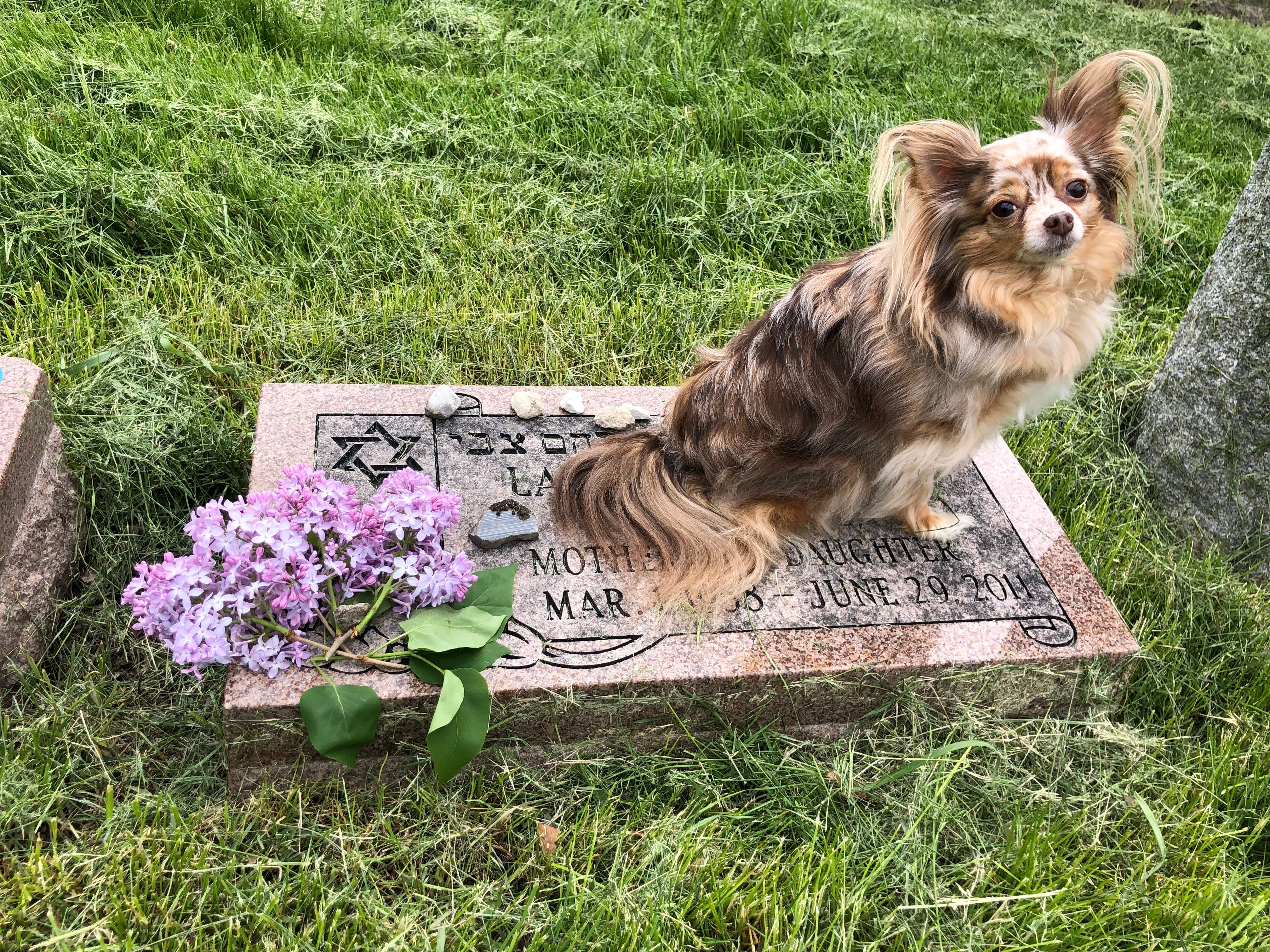
Tink was nine months old when my mom died, a full dog life ahead of her. One of my dear friends calls my mom an icon for buying a puppy knowing she was going to die soon. I’ve asked my dad what he thought of the decision, knowing that this small dog would outlive my mom by years, a decade-plus, and that he would ultimately be responsible for her.
“I told her it was not fair,” he said. “She was going to die in a year and the dog could live for twenty. She just smiled and nodded.”
“So you didn’t want her to get Tink?” I said.
“It didn’t seem like a good idea at the time. Turns out, your mom was smart.”
My mom never said it out loud, but I think she knew what she was doing buying Tink in the last year of her life—leaving a physical part of her behind for us to love, to be loved by.
In the years after my mom’s death, Tink lived all over the place. In Nashville and L.A. with my sister; in New Orleans and Durham with Will and me; in Virginia where my dad moved after my mom died. She flew on countless airplanes, took dozens of road trips, camped, hiked, attended baseball games, birthday parties, my wedding, trips to the store.
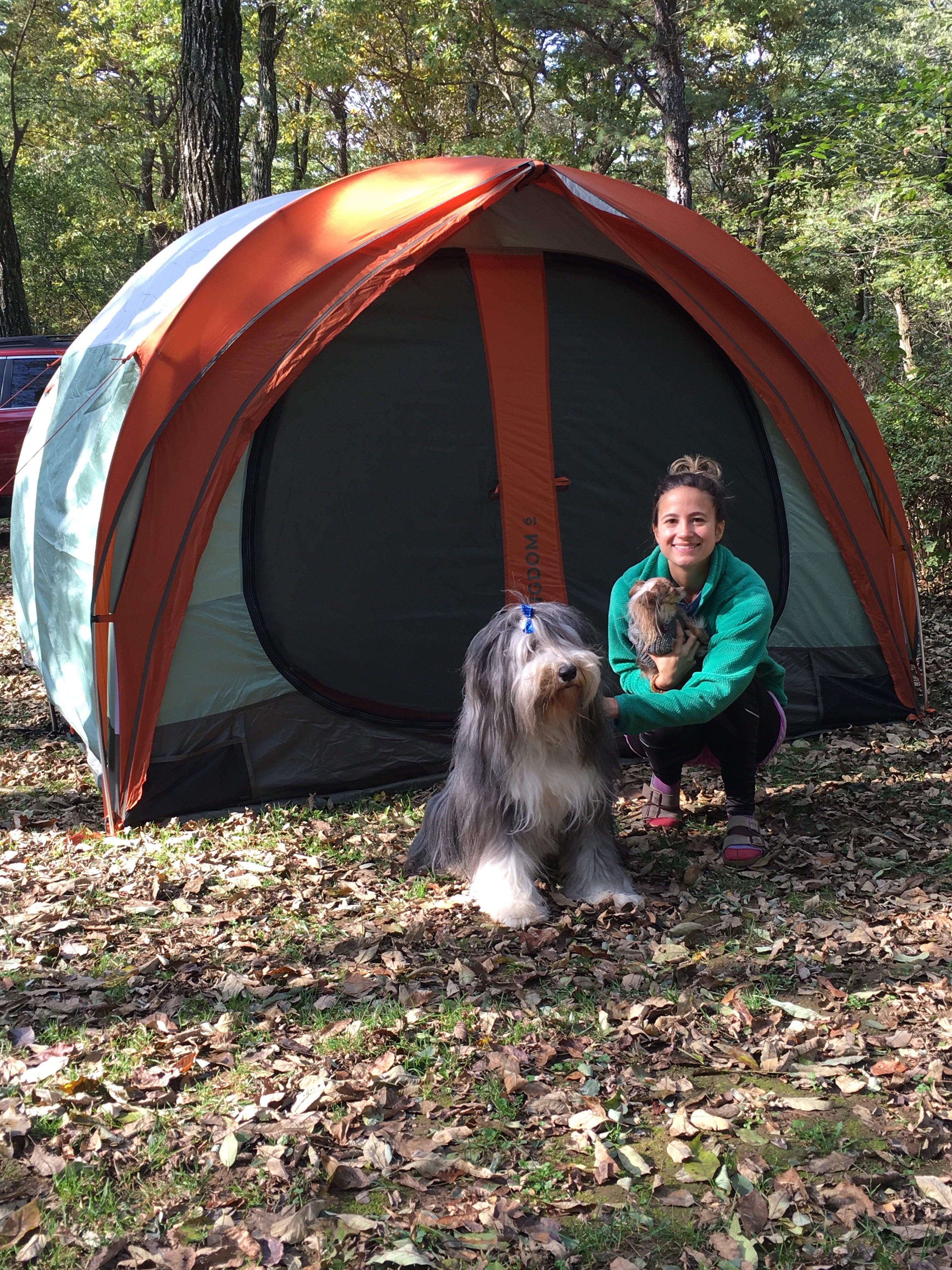
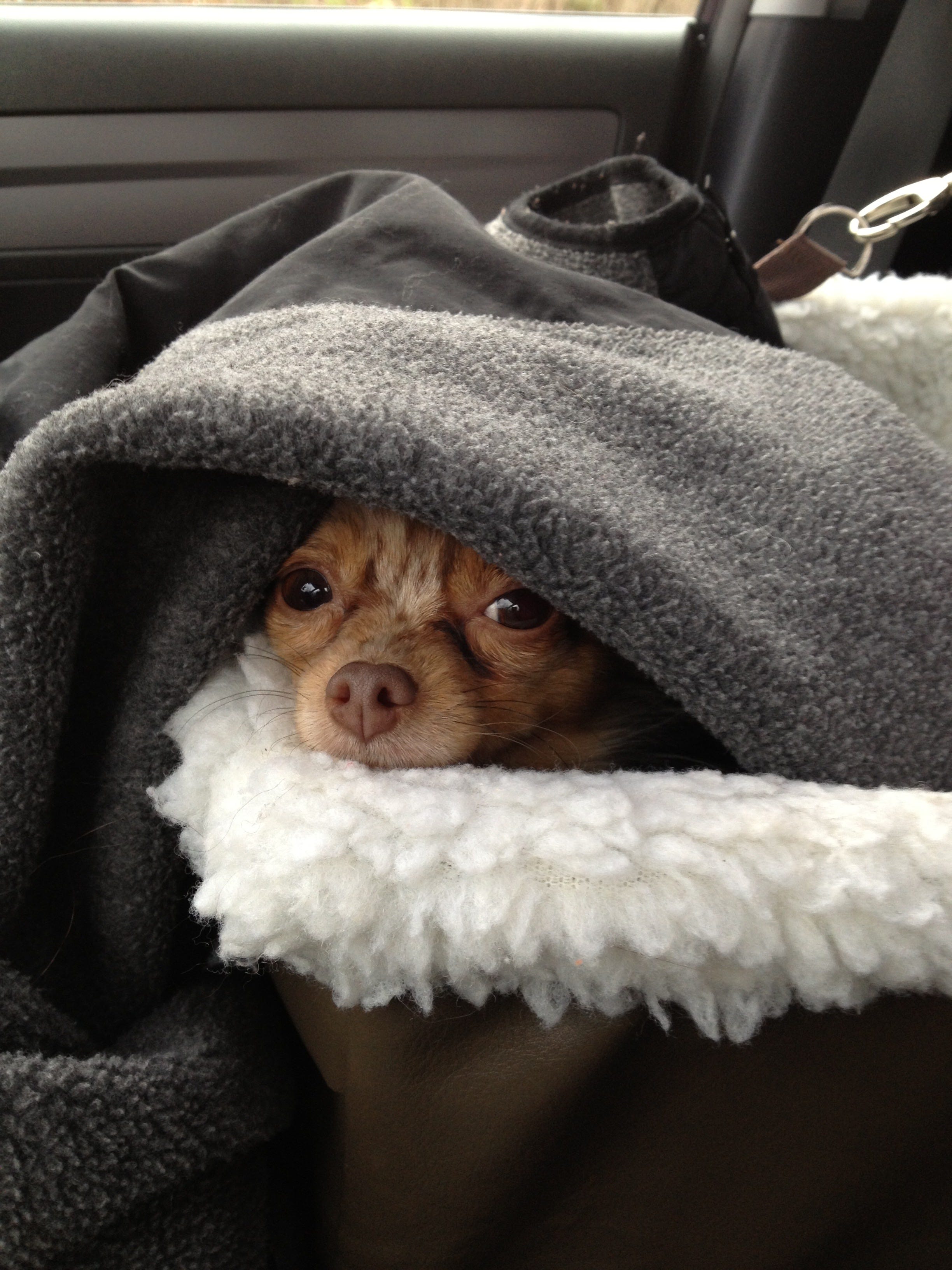
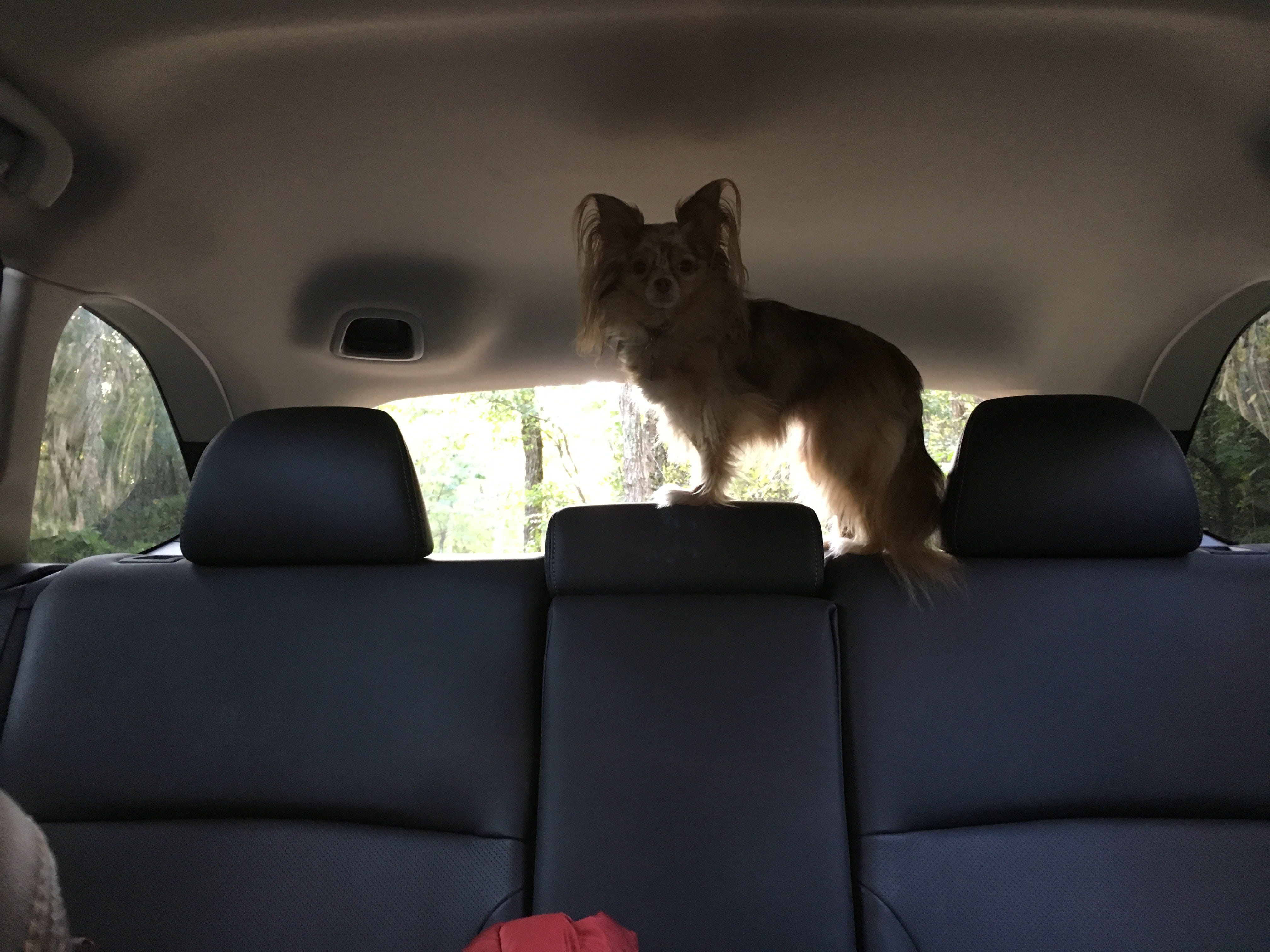
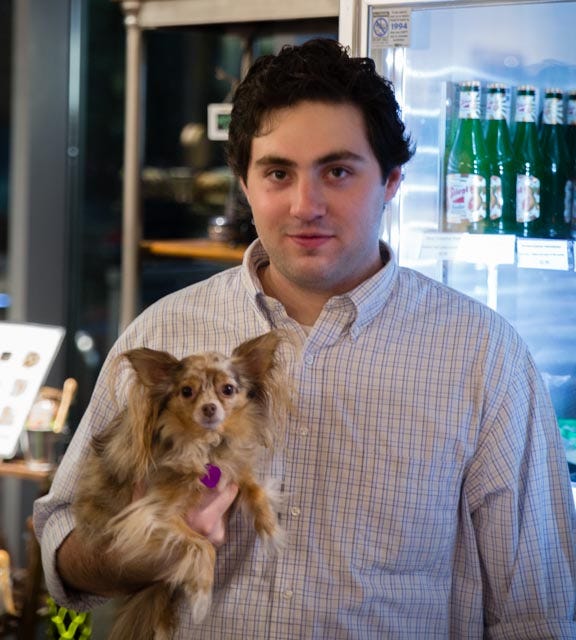
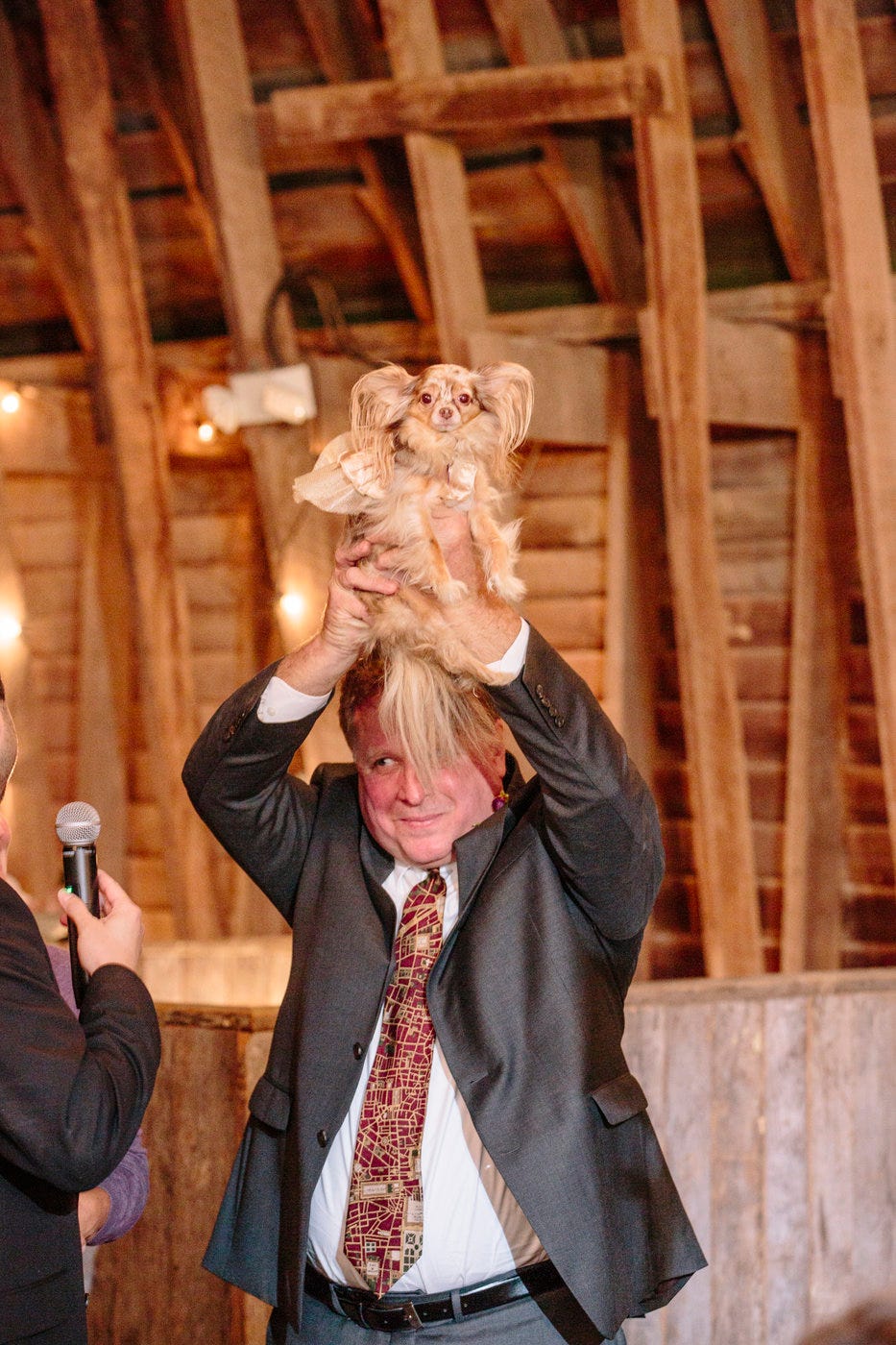
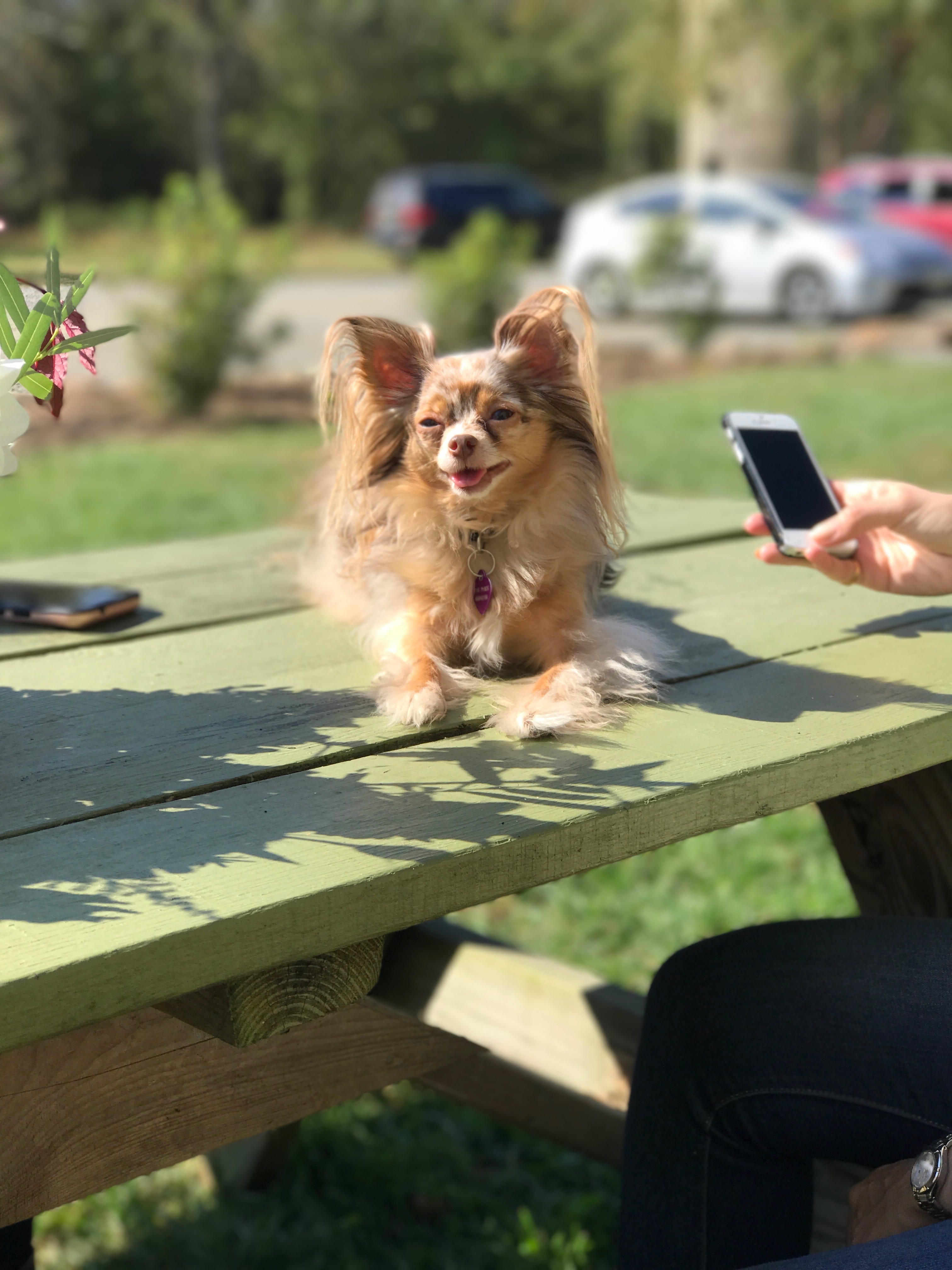
When Tink was there, a part of my mom was there, too.
Here was the same fur my mom had nuzzled, the same tongue that also made its way up to my mom’s brain via her nasal cavity, the same warm body that used to bring my mom peace.
And as long as Tink was alive, it meant my mom couldn’t be that far away, either. She was still close enough that the dog she had touched, cuddled, loved was right there in front of us. My mom was always less than a dog’s life away.
*
This past Thanksgiving, my son, James, got to meet Tink. It was one of the most profound experiences of my life. It is a very specific kind of pain knowing my mom will never hold my baby, will never get to smell his soft neck, to kiss his cheeks when he’s upset. God, she would love him. She would love him so much. So when Tink and James met, it was like some circle closed. One of the loves of my mom’s life meeting the boy who would have been another. My mom had run her hands through Tink’s fur. And now James was, too.
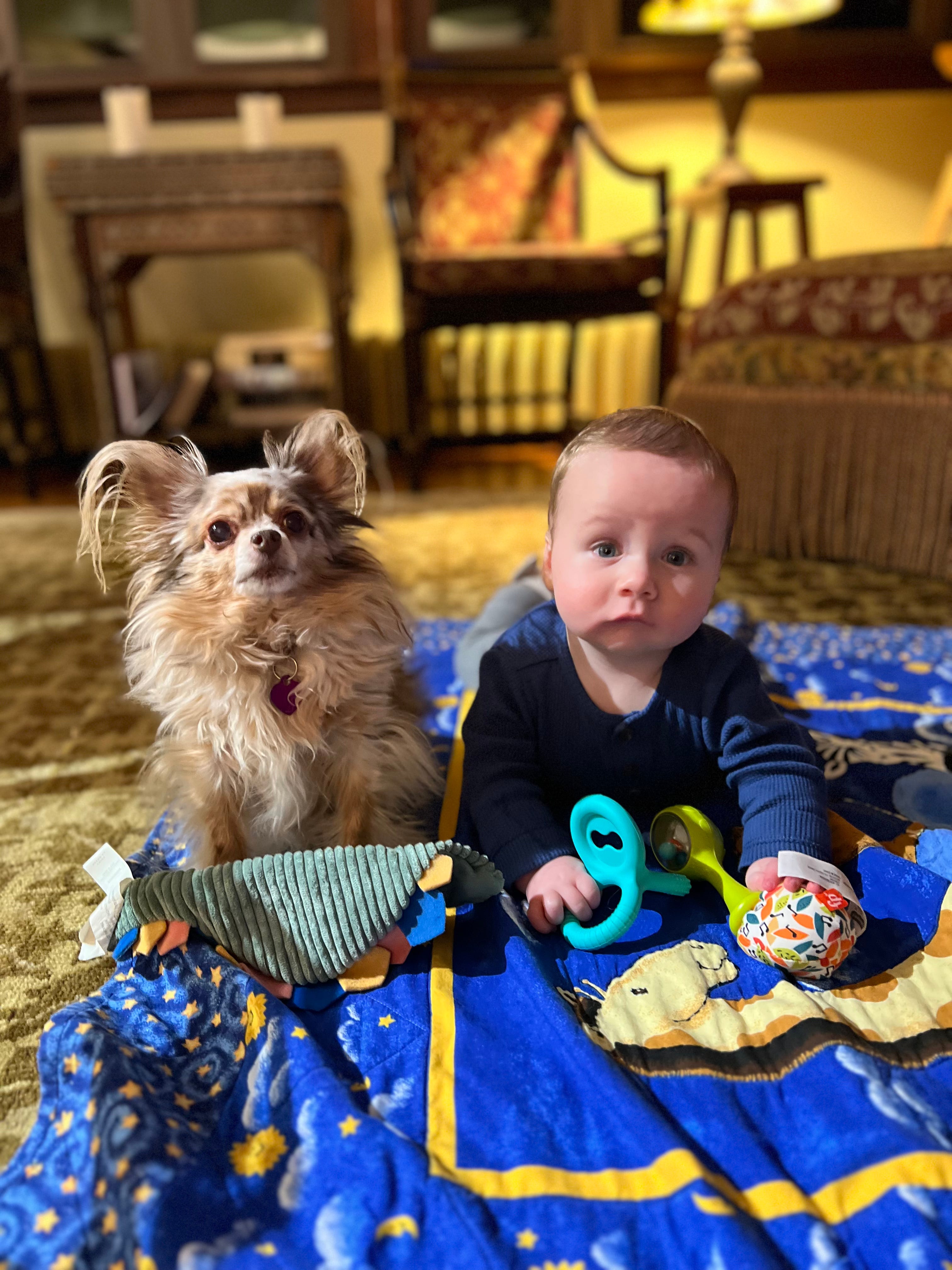
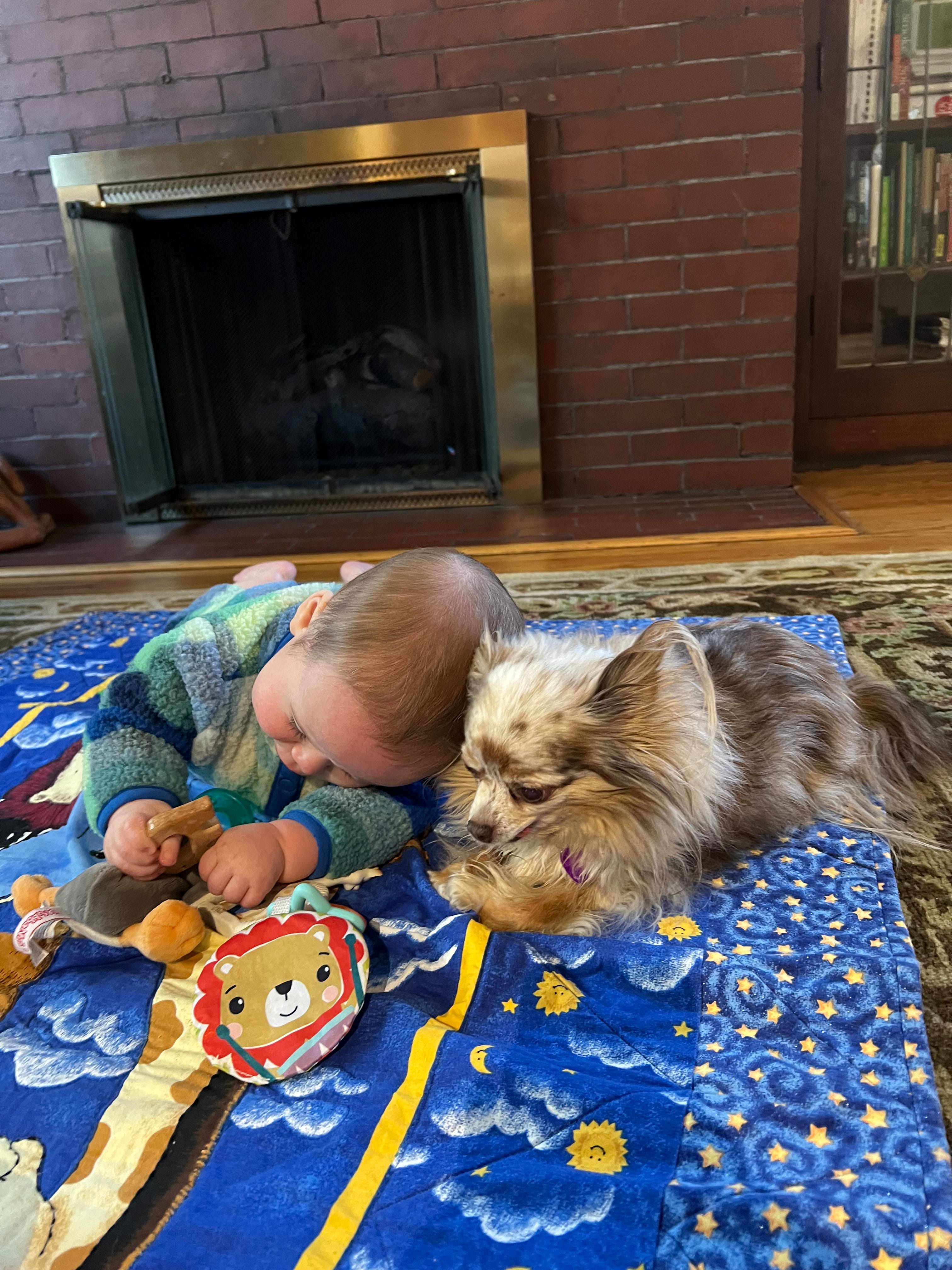
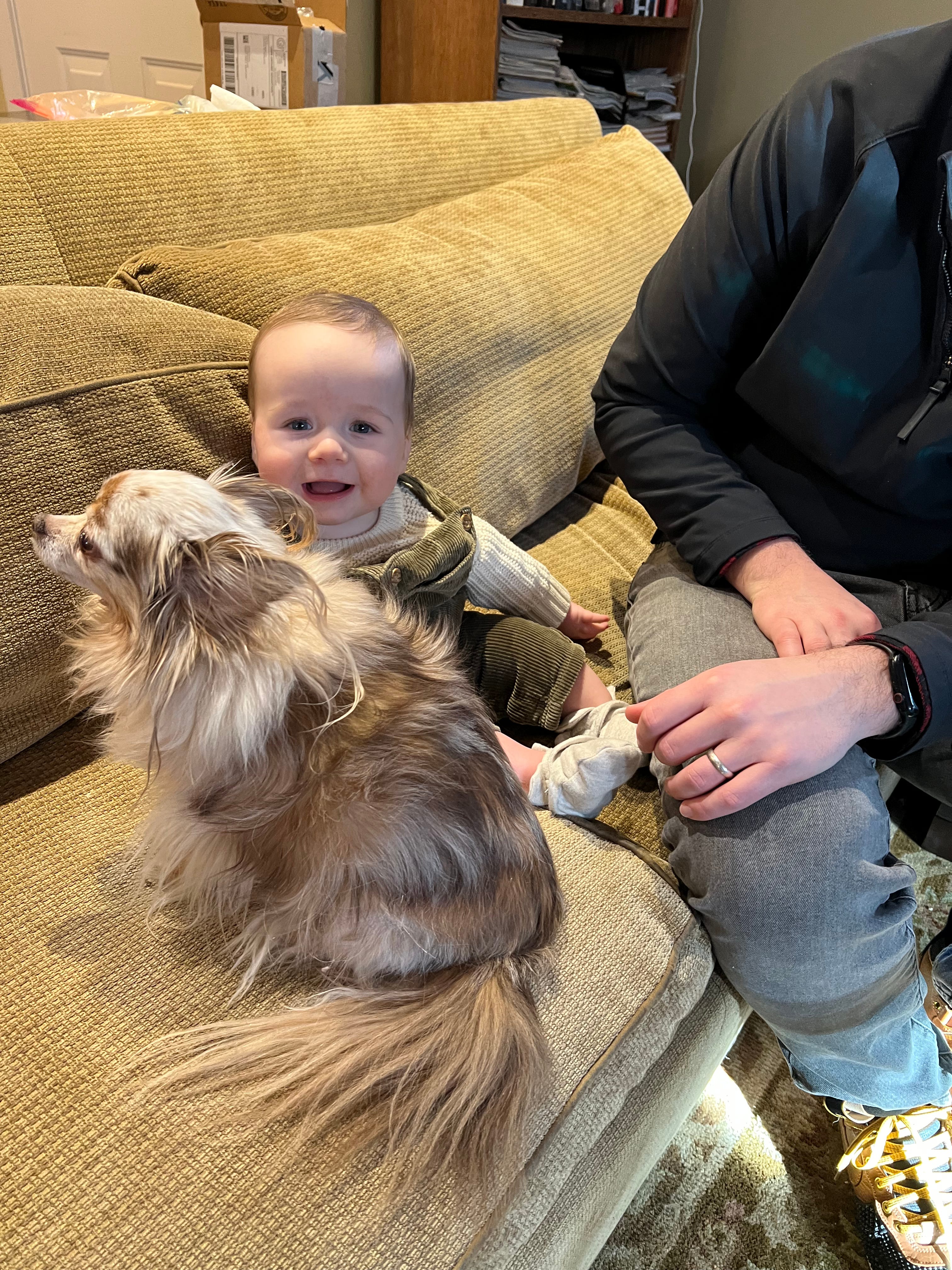
When you are left without the person you love, the real thing, you find as many next-best-things as you can. Like Tink, the heat-seeking missile, always searching for the sun, you find those people and places and spots that give off the warmth of your person. Someone who knew her long before you did. The restaurant that served her favorite flatbread. The wool sweater she wore every fall. The dog who gave her life.
*
Perhaps you know where this story is going. Where all stories, in some way, go, at least on G / G.
Tink, fourteen years old, had an enlarged heart. The metaphor there is so easy, I’m hesitant to even point it out—her body couldn’t contain all the love she could give. It happened slowly with Tink, and then it started making it hard for her to breathe. Her trachea was collapsing. My dad and his partner, Kay, who is a veterinarian, did everything they could for her. Feeding her pills, staying up with her at night, cooking her and hand feeding her bison meat.
This past Thanksgiving night, after we tucked away the last of the leftovers, Tink had a seizure. My dad, brother, and I brought her to the ER where they put her in an oxygen tank, gave her scans, determined she could go back home with us. She rallied a bit, but a few days later, on the morning James, Will, and I were scheduled to fly back to Portland, she started breathing too hard.
“I think it’s time,” my dad said, his eyes watery. We FaceTimed my brother and sister so they could say goodbye to her. I woke Will to come see her, and watching him kiss her head for the last time broke me in two.
We wrapped her in a blanket, her body still so solid under my hands, so warm, and like I had when my mom was dying, I thought, maybe this is just the worst day. Maybe this isn’t really the end of anything. How could it be?
An hour later, my dad, Kay, and I stood in the small room of the animal clinic where Tink had been so many times to be taken care of.
“We’re not supposed to have favorites,” the vet whispered. “But Tink...” She raised her eyebrows, her eyes sad.
My dad held Tink, wrapped in her blanket, and the doctor administered the first drug and then the second. I got to be there with her like I got to be there with my mom, rubbing her soft head, whispering in her ear, telling her I loved her. The vet pushed the stethoscope to Tink’s small body after the two shots, closed her eyes. “Her heart has stopped.”
It was peaceful and also horrible, and I kissed her head over and over again. That sweet, soft apple head my mom had fallen in love with. That we’d all fallen in love with, fourteen years ago, an entire lifetime earlier.
The three of us walked out of the clinic with just a blanket. The sky was still blue, which didn’t make sense. But it was true.
*
“Tink came back home for the last time in a blue gift bag…” my dad texted our family group chat a couple weeks later, after he’d received her ashes and a mold of her paw print.
“Not really her color,” I said, “but I guess it’ll do.”
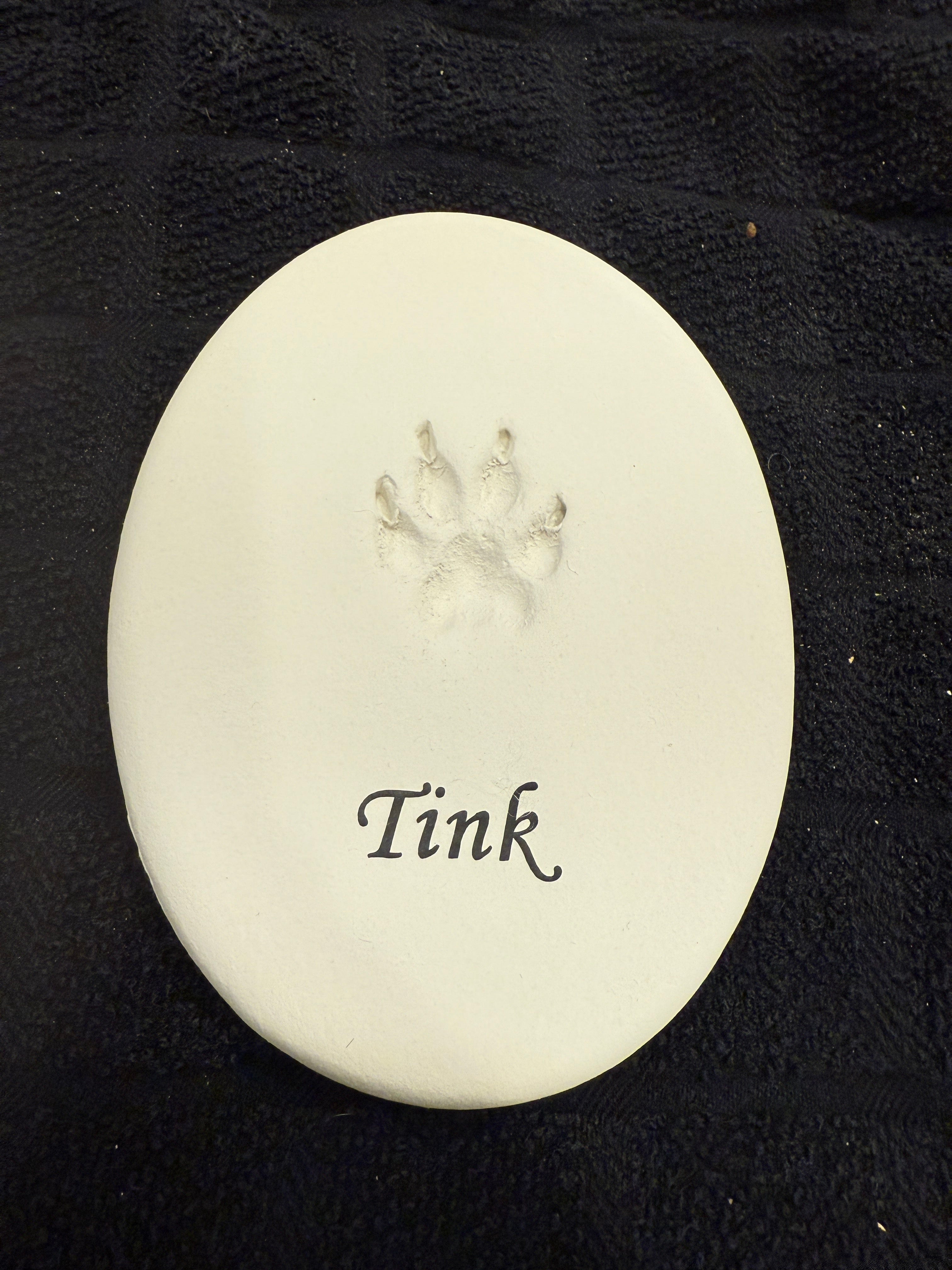
In February, three months after Tink’s death, James and I took another trip to Chicago. My dad’s house felt strange with no dog in it. Suspicious, unsteady, like a ship that needed to right itself.
We decided to spread Tink’s ashes around my mom’s headstone. Maybe they are reunited somewhere, snuggled up in bed, watching TV, doing what they did best.
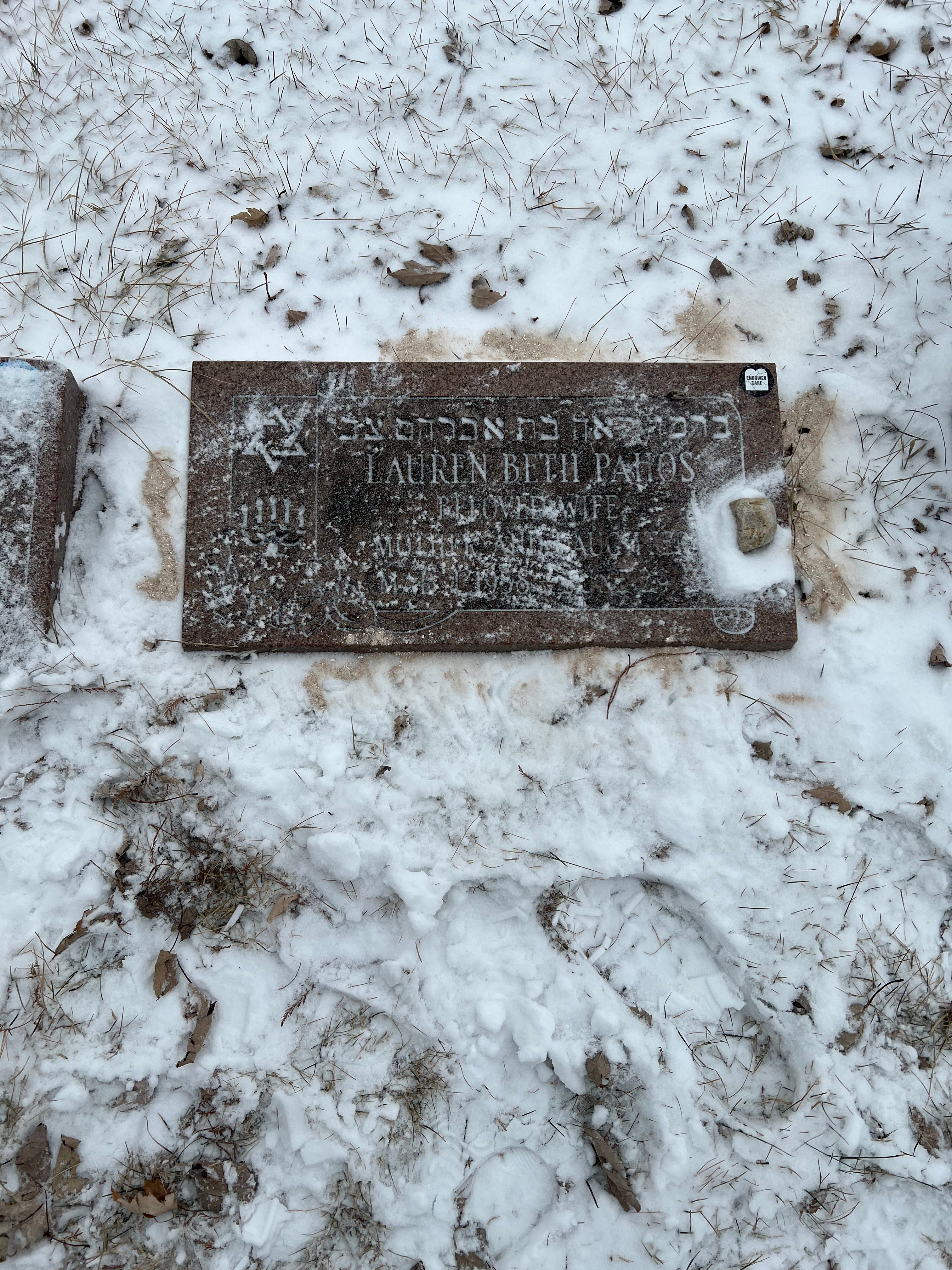
But what brings me more comfort than imagining that is knowing their physical forms are so close again, their bones mere feet away once more. Their relationship was so physical—the warmth and breath of each being, side-by-side in bed, was the foundation of their bond. The literal up-and-down of Tink’s small belly, the heat of my mom under the blanket. Tink’s growing body enveloped by my mom’s dying one. That they are as close as they will ever be again to spending the days in each other’s comfort brings me peace. Peace of bone, of breath, of hair, of fur. The love of both their boundless hearts.
*
Tink taught us so much over her fourteen years, but these are a few of my favorite lessons of hers:
Never settle for less than you deserve.
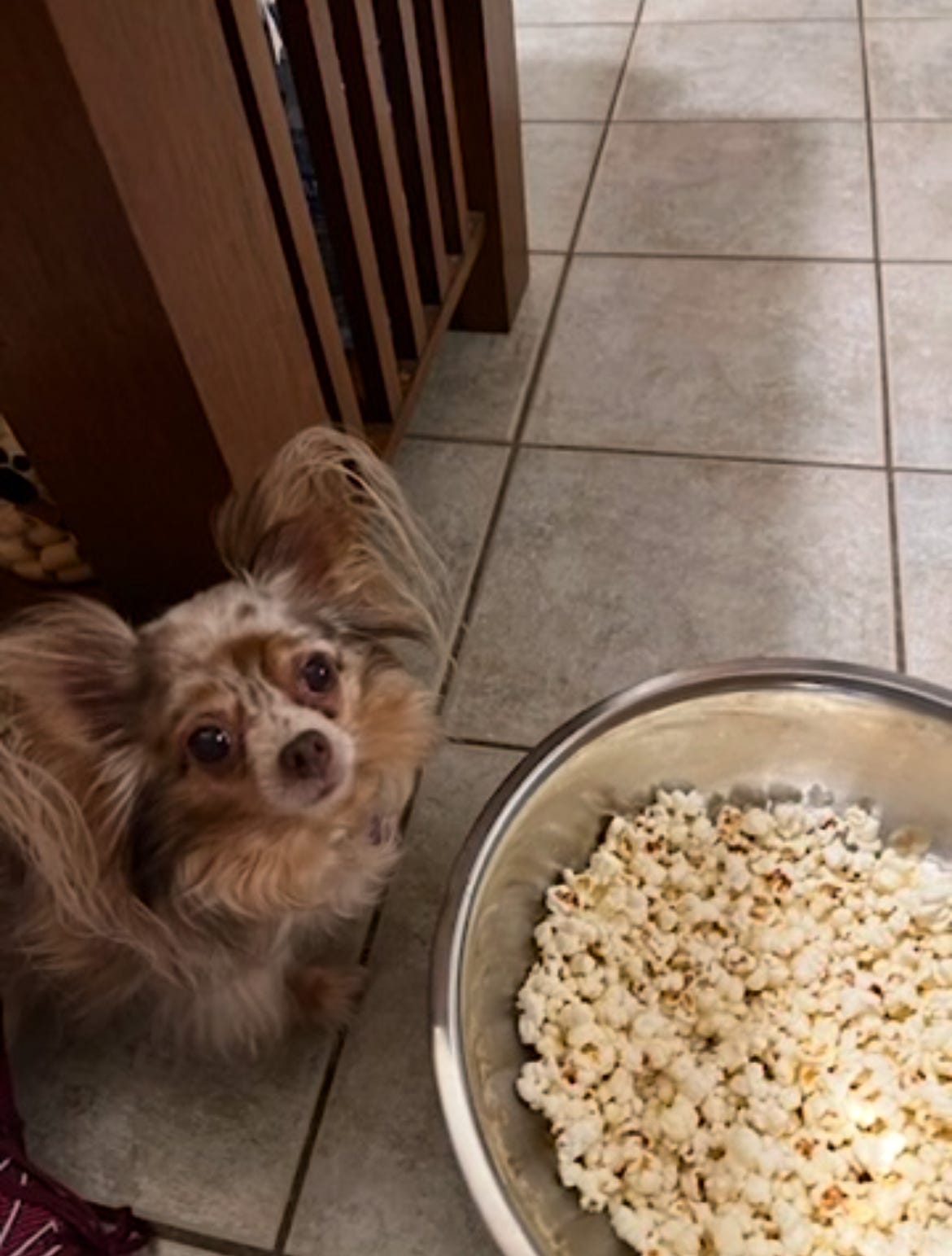
Always search for the light.
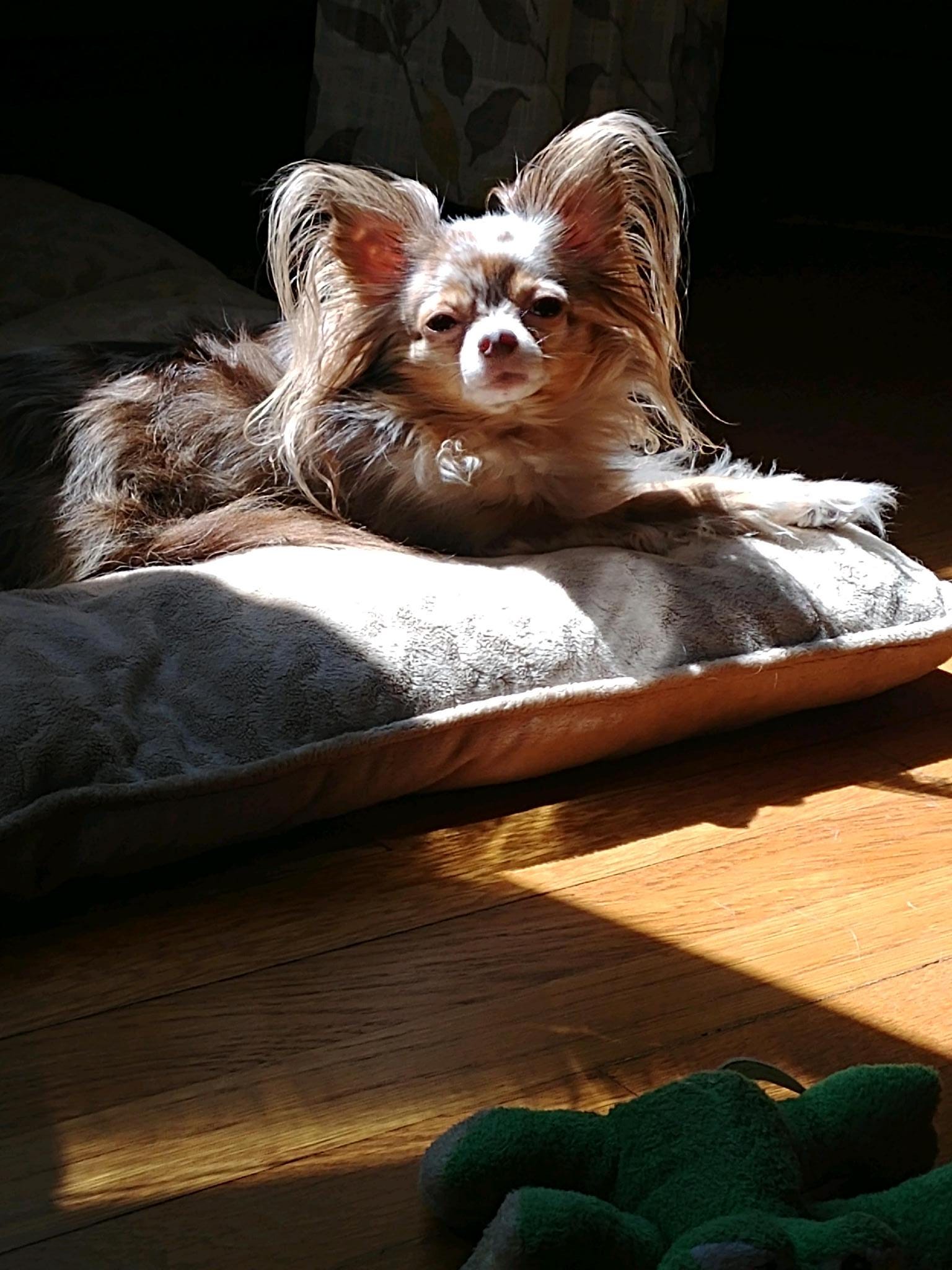
Don’t let your size hold you back.
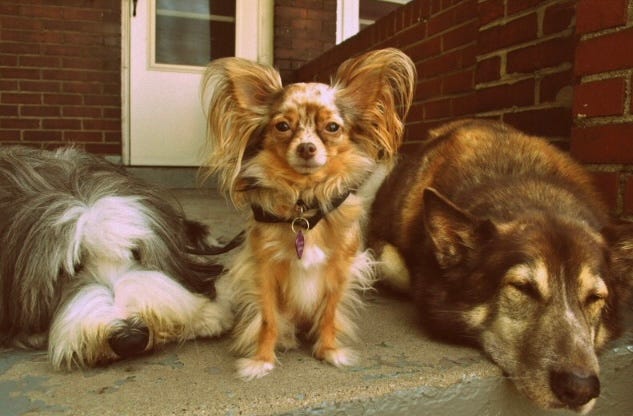
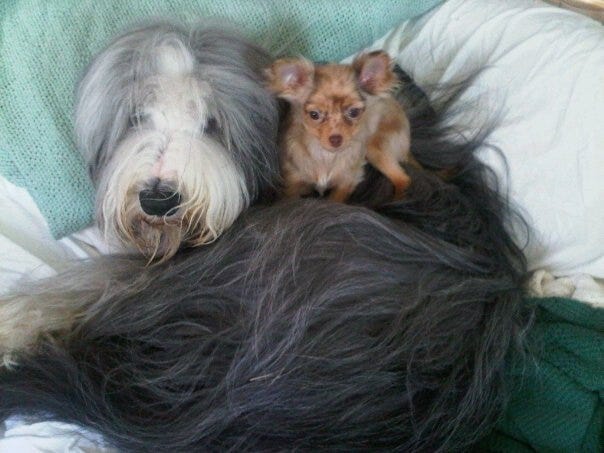
Always be yourself, the greatest gift you can give.
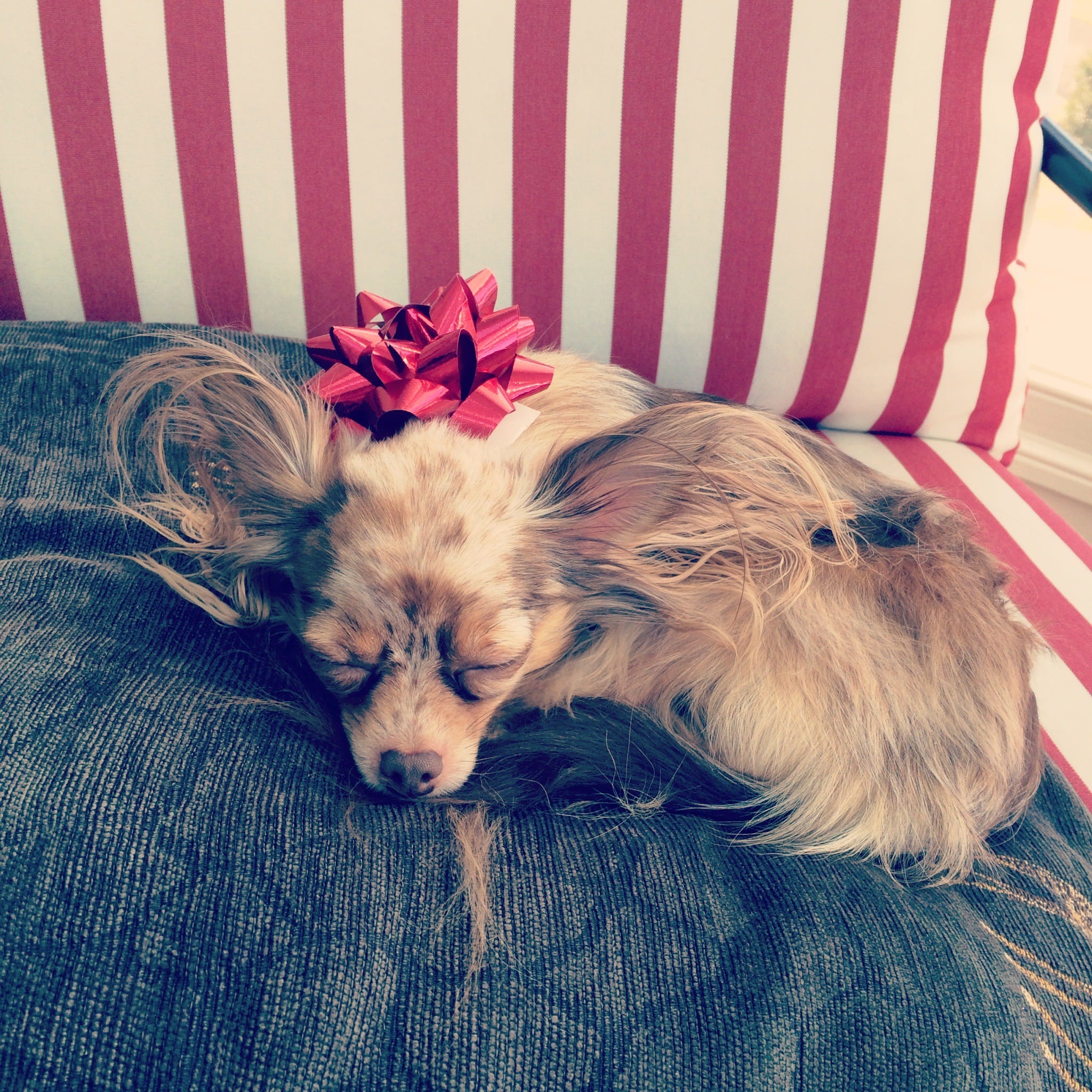
Be an icon.
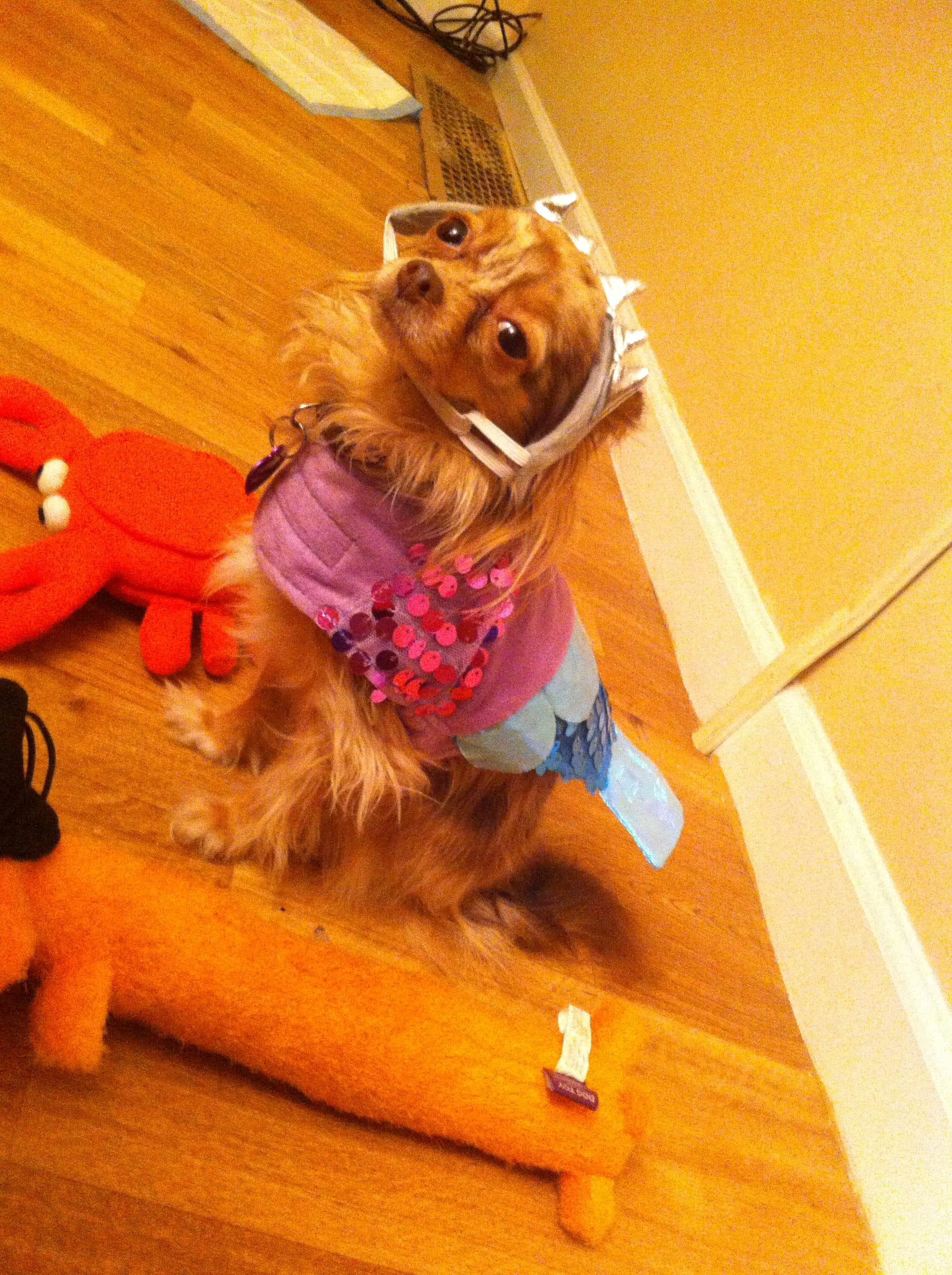
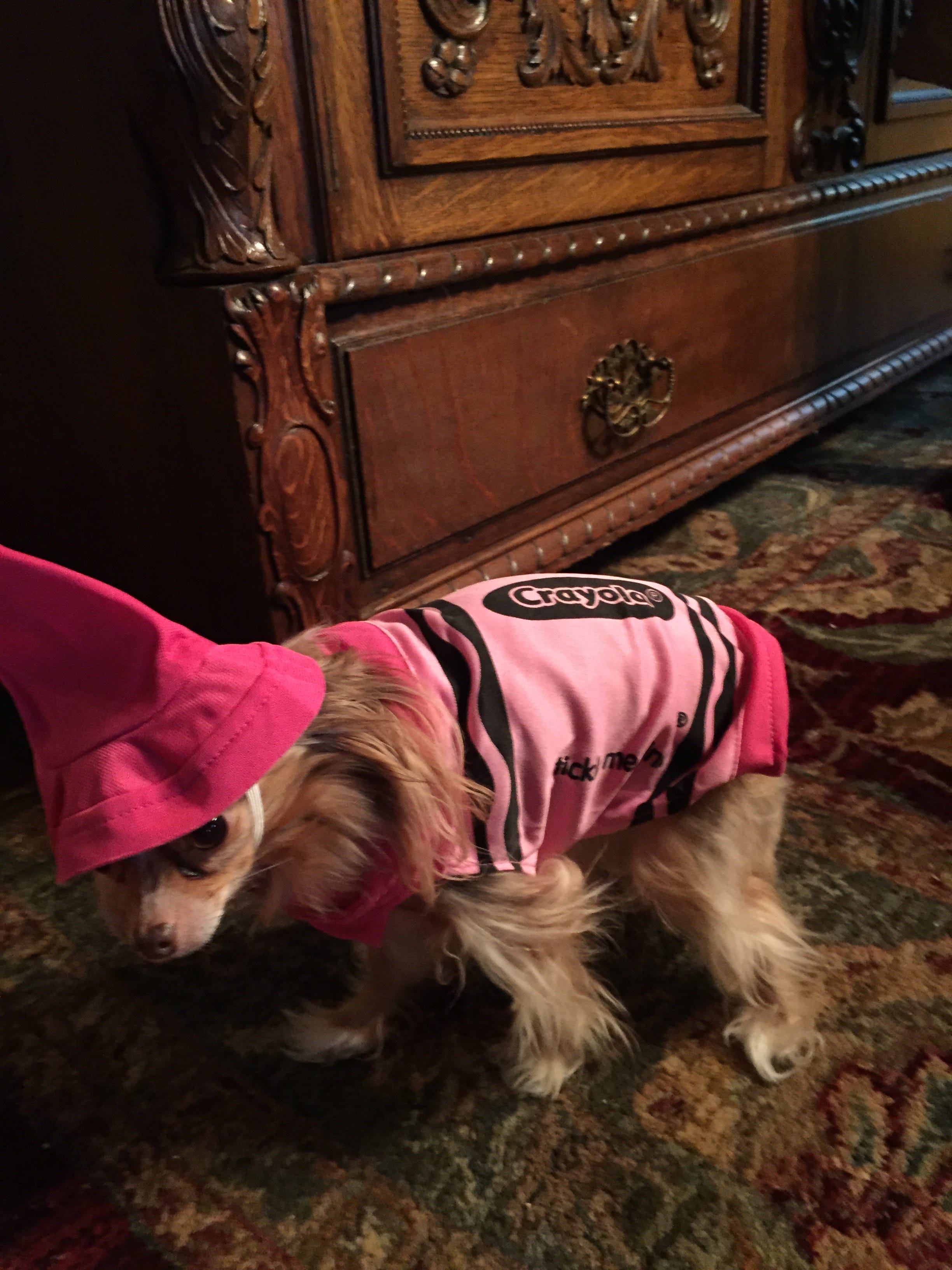
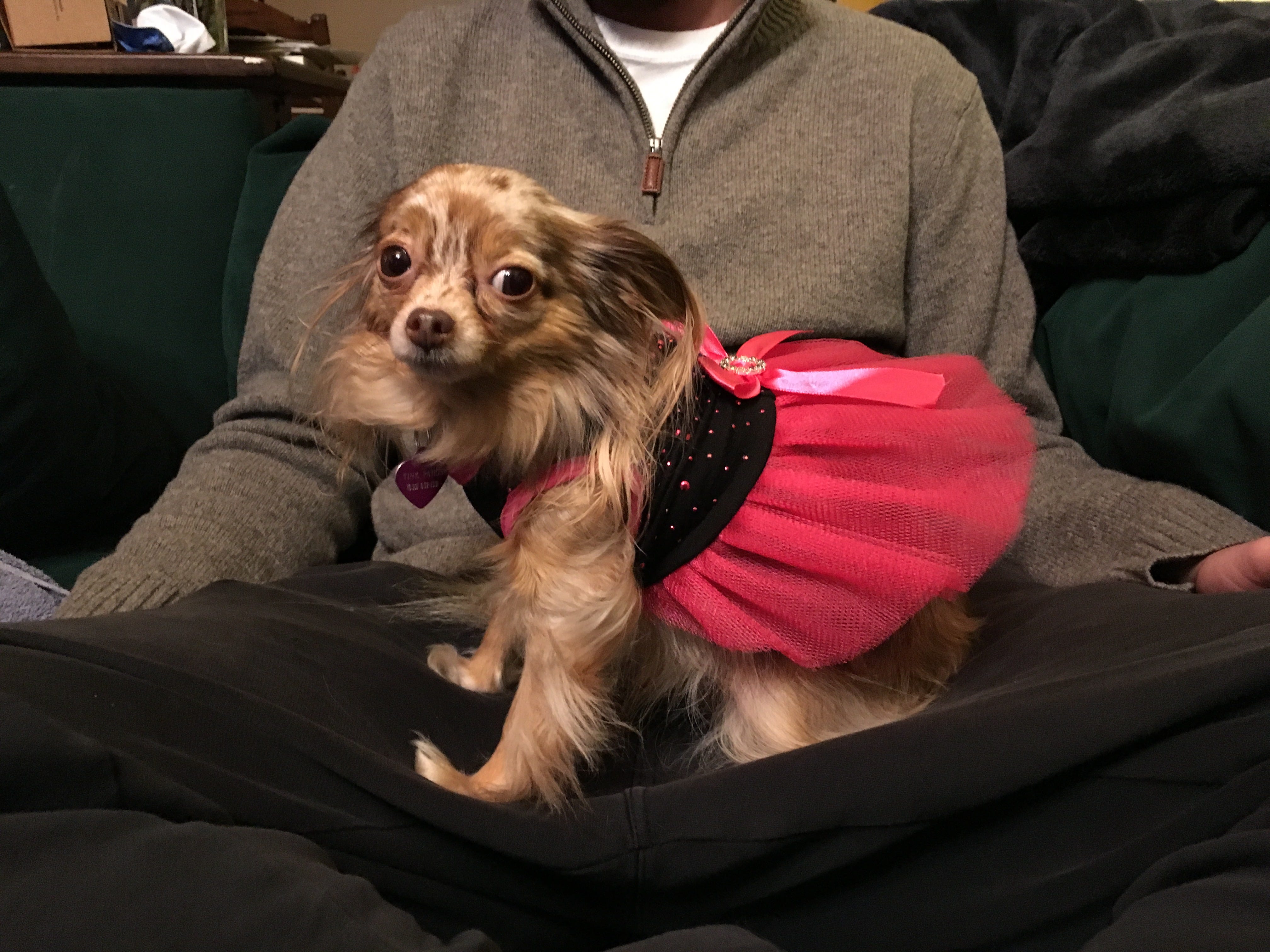
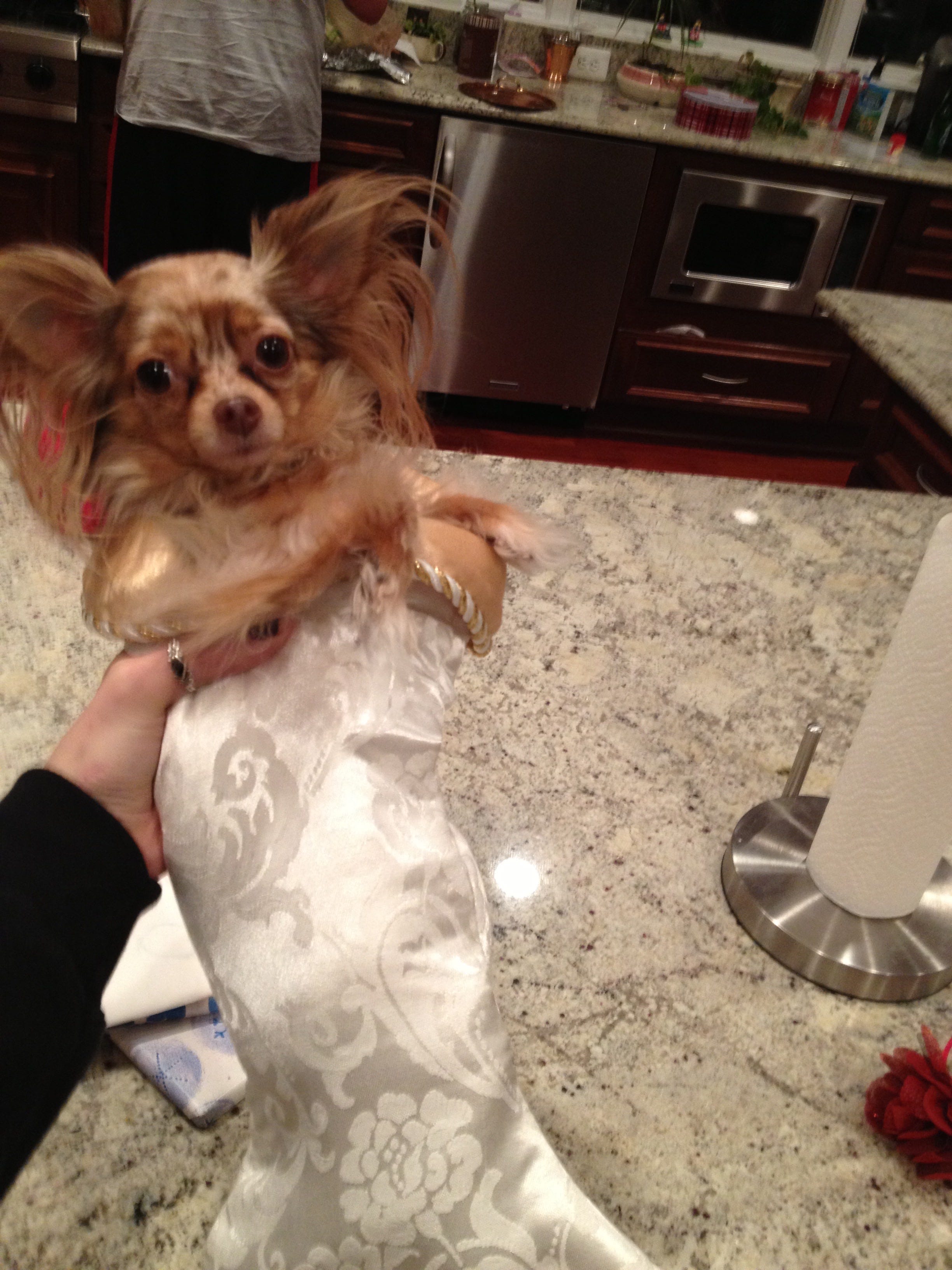
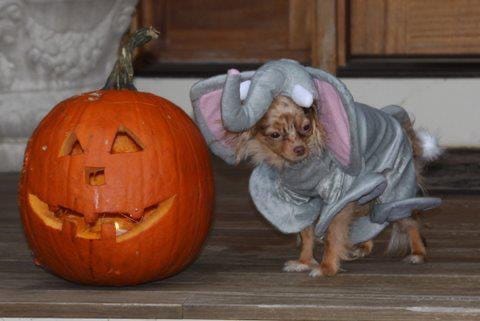
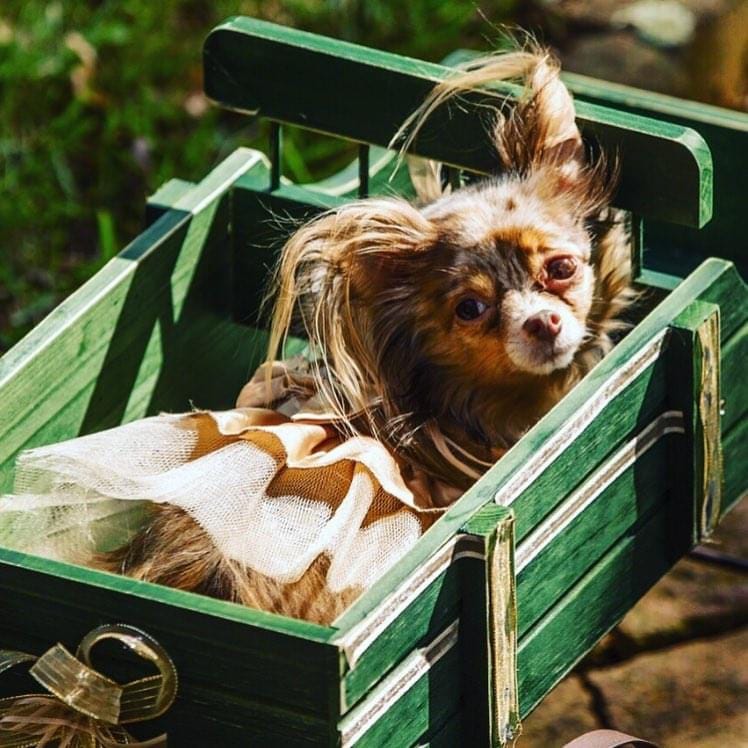
We will love you forever, Tinky. Thank you for making Mom so happy and for carrying her love on for the rest of us.
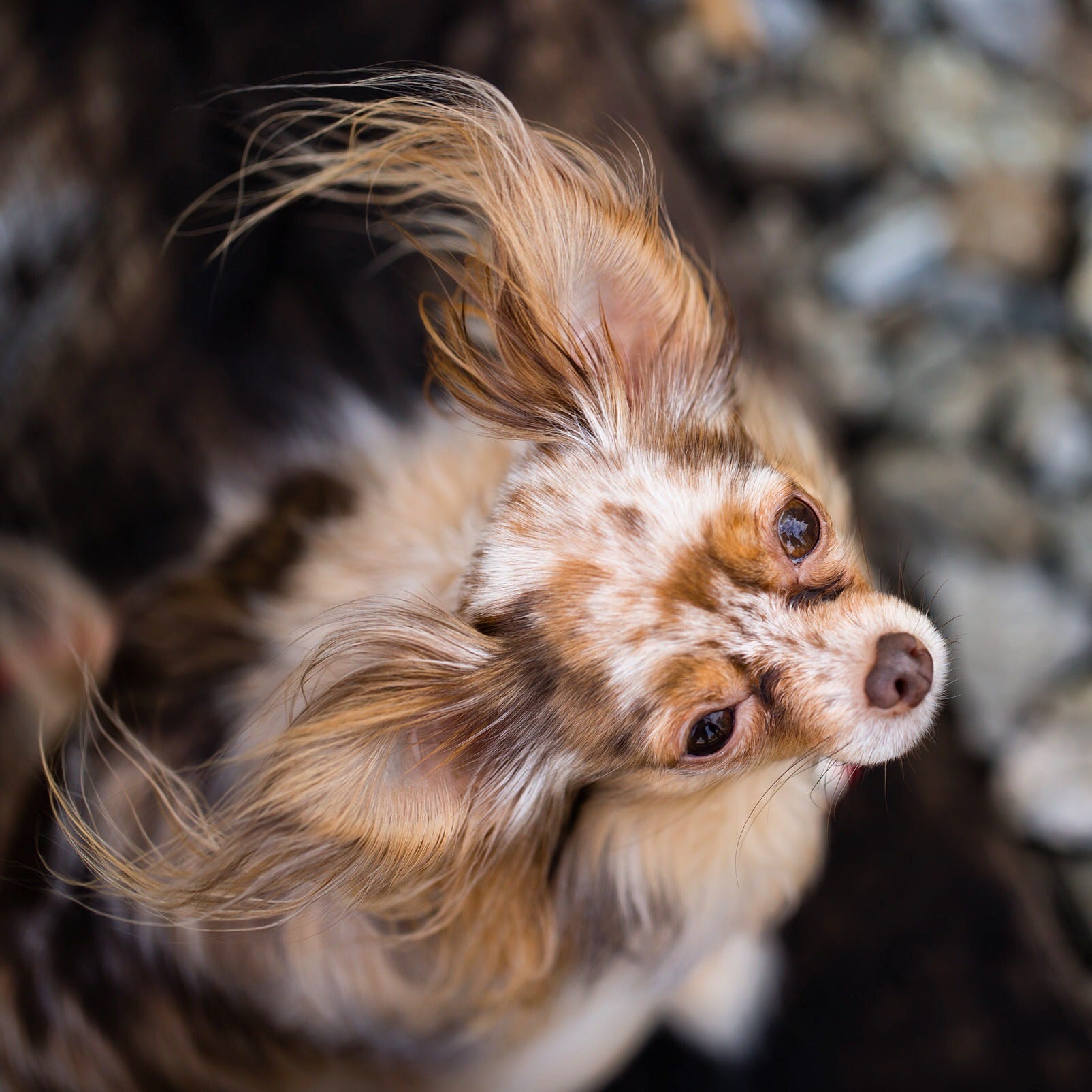
Hug your fur babies extra tight today. And remember to always move toward the light. <3
x / o,
Maggie
I love this 😭🥰